 English


News


Why Vertical Dehydrators Are Critical for Efficient Plastic Recycling Operations
2026-06-06 10:04:06
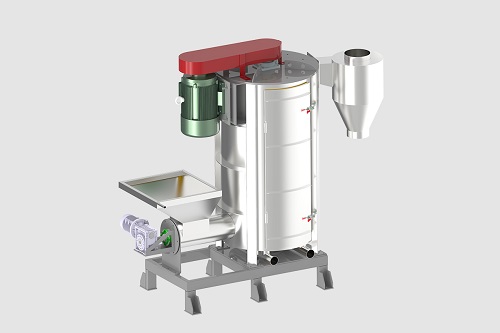
As the global recycling industry continues to expand,plastic recyclers are constantly seeking ways to improve production efficiency,reduce operating costs,and enhance the quality of recycled materials.One often overlooked but highly important piece of equipment is the Vertical Dehydrator.Designed to remove excess moisture from washed plastic materials,this machine plays a vital role in modern recycling lines.
From PET bottles and HDPE containers to PP woven bags and PE films,effective dewatering is essential before plastics move on to extrusion,pelletizing,or further processing.A high-performance Vertical Dewatering Machine helps recyclers achieve consistent results while improving the overall efficiency of the production line.
Why Moisture Removal Matters in Plastic Recycling
Plastic recycling typically involves crushing,washing,rinsing,and drying materials.After the washing stage,plastic flakes or films often contain a large amount of residual water.If not removed properly,this moisture can create several production challenges.
Excess water may lead to:
Poor pellet quality
Increased energy consumption during drying
Reduced extrusion efficiency
Material degradation
Equipment maintenance issues
This is where a Plastic Recycling Dehydrator becomes essential.By significantly reducing moisture content before the drying process,recyclers can improve productivity and lower operational costs.
How a Vertical Dehydrator Works
A Vertical Centrifugal Dehydrator uses high-speed centrifugal force to separate water from plastic materials.Wet plastics enter the machine through the feed inlet and are accelerated by a rapidly rotating shaft.
As the material spins at high speed,water is forced through a perforated screen while the plastic particles move upward toward the discharge outlet.This process removes a substantial amount of moisture within seconds.
Compared with traditional drying methods,a Vertical Spin Dryer offers faster processing,lower energy consumption,and greater efficiency.
Key Features of Modern Vertical Dehydrators
High Dewatering Efficiency
One of the biggest advantages of a Vertical Dehydrator is its ability to quickly reduce moisture levels,making downstream processing more efficient.
Energy Savings
Removing water mechanically before thermal drying reduces the workload on drying equipment,lowering overall energy costs.
Compact Footprint
Compared with some horizontal systems,a Vertical Dewatering Machine often requires less floor space,making it ideal for recycling facilities with limited production areas.
Continuous Operation
Modern Industrial Vertical Dehydrators are designed for continuous production,allowing recycling lines to operate smoothly and efficiently.
Durable Construction
Manufactured from wear-resistant materials,these machines can withstand demanding industrial environments and long operating hours.
Applications in Plastic Recycling Lines
The versatility of the Vertical Dehydrator makes it suitable for a wide range of recycling applications,including:
PET bottle recycling
HDPE container recycling
PP woven bag recycling
PE film recycling
Agricultural film recycling
Plastic flake processing
Plastic pellet production
Whether integrated into a complete Plastic Washing Line or used as a standalone unit,the machine helps improve the quality of recycled materials while reducing production costs.
Supporting Sustainable Recycling Practices
Sustainability has become a major focus across the recycling industry.Efficient dewatering technology helps reduce energy consumption and increase resource utilization,contributing to greener manufacturing processes.
By using advanced Industrial Dewatering Equipment,recycling companies can process more material with less energy while maintaining high product quality.This not only improves profitability but also supports environmental goals.
FAQ
Q1:What is a Vertical Dehydrator used for?
A Vertical Dehydrator is used to remove excess water from washed plastic materials before drying,extrusion,or pelletizing processes.
Q2:How does a Vertical Centrifugal Dehydrator work?
It uses high-speed centrifugal force to separate water from plastic flakes,films,and other recycled materials,significantly reducing moisture content.
Q3:What materials can be processed by a Vertical Dewatering Machine?
The machine is suitable for PET,HDPE,LDPE,PP,PE films,woven bags,agricultural plastics,and many other recyclable materials.
Q4:Why is moisture removal important in plastic recycling?
Excess moisture can affect product quality,increase energy consumption,reduce production efficiency,and create processing problems during extrusion.
Q5:What are the benefits of using an Industrial Vertical Dehydrator?
Benefits include high dewatering efficiency,energy savings,continuous operation,compact design,reduced drying costs,and improved recycled material quality.
Previous:
What Is a Plastic Crusher and How Does It Work?
2026-06-13
