 English




plastic recycling equipment is used to sort, reduce, clean, dry, melt, filter, and reprocess plastic waste into reusable flakes or pellets. A complete plastic recycling line normally combines several machines because each stage performs a different function.
The equipment required depends on the plastic type, feedstock condition, contamination level, required capacity, and target output. A typical mechanical recycling line may include sorting equipment, shredders or crushers, washing machines, separation equipment, dewatering and drying systems, extruders, melt filters, and pelletizing equipment.
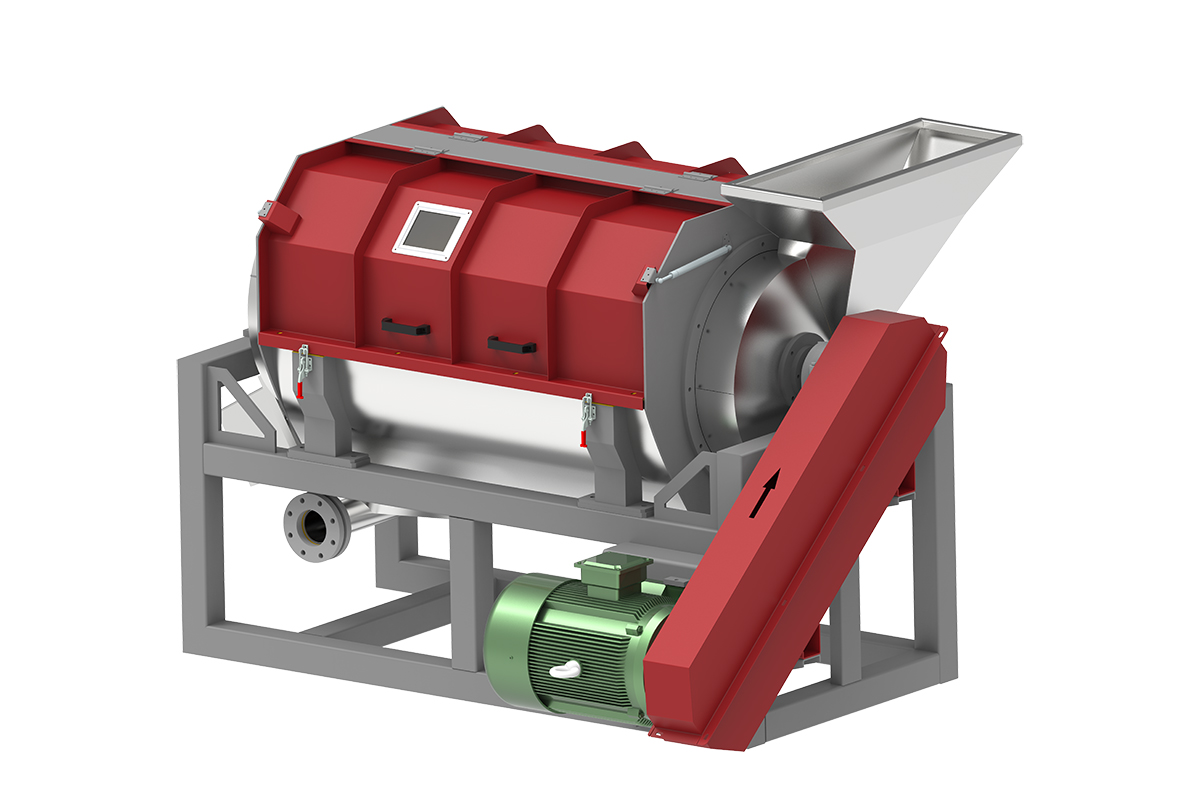
1. Sorting Equipment
Sorting equipment separates plastic waste according to polymer type, color, size, shape, or other characteristics.
Sorting can be performed manually or with automated technologies such as optical and near-infrared sorting systems. Proper separation is important because different plastics have different melting temperatures and processing characteristics.
For mixed plastic waste, sorting is often one of the most important stages of the recycling process.
2. Plastic Shredder
A plastic shredder reduces large or bulky plastic waste into smaller pieces.
Shredders can be used for rigid plastic products, pipes, containers, industrial scrap, packaging materials, and other large plastic waste streams.
The appropriate shredder depends on the material type, thickness, size, hardness, and required processing capacity.
3. plastic crusher or Granulator
A plastic crusher or granulator reduces plastic waste into smaller and more uniform flakes.
Uniform particle size can make subsequent washing, separation, drying, and extrusion easier to control.
In some recycling plants, a shredder performs the initial size reduction while a granulator provides secondary processing to achieve the required flake size.
4. Plastic Washing Machine
Plastic washing equipment removes dirt, dust, food residues, oil, labels, adhesives, and other contaminants from plastic waste.
The washing process can include cold washing, hot washing, friction washing, rinsing, or a combination of different cleaning methods.
The appropriate washing system depends on the type and contamination level of the incoming plastic.
5. Sink-Float Separation Equipment
Sink-float tanks use differences in material density to separate certain plastics and unwanted materials.
For example, some plastics can float while denser materials sink. This separation method can be incorporated after shredding and washing to improve material purity.
The actual separation result depends on the polymer combination, particle size, water conditions, and process configuration.
6. Plastic Dewatering Machine
Washed plastic flakes usually contain a significant amount of surface water. A plastic dewatering machine reduces this moisture before the material enters the drying or extrusion stage.
Mechanical dewatering can reduce the workload of downstream thermal drying equipment and improve the overall efficiency of the recycling line.
7. Plastic Drying Equipment
Plastic drying equipment removes remaining moisture from washed plastic flakes.
Moisture control is particularly important before extrusion because excessive moisture can affect melt processing and the quality of recycled pellets.
Different drying systems can be selected according to the plastic material, required moisture level, production capacity, and line configuration.
8. Plastic Extruder
A plastic recycling extruder melts and homogenizes plastic flakes before they are converted into recycled pellets.
Inside the extruder, controlled heat and mechanical shear transform the plastic into a molten material. The extruder must be matched to the polymer type, feedstock condition, contamination level, and required throughput.
Single-screw and twin-screw extruders can be used for different recycling and material processing requirements.
9. Melt Filtration Equipment
A melt filtration system removes remaining solid contaminants from molten plastic during extrusion.
Depending on the feedstock, contaminants can include paper, wood particles, aluminum, rubber, and other materials that remain after sorting and washing.
Effective melt filtration can improve the cleanliness and consistency of the recycled material.
10. Plastic Pelletizing Machine
A plastic pelletizing machine converts extruded plastic into uniform recycled pellets.
Pellets are easier to store, transport, weigh, and feed into downstream plastic processing equipment than irregular flakes.
Different pelletizing systems can be selected according to the polymer, throughput, pellet size, and required output quality.
11. Cooling Equipment
After extrusion and before or during pelletizing, the plastic needs to be cooled and solidified.
Cooling systems can include water tanks, air cooling systems, or other cooling equipment depending on the pelletizing method and production line design.
12. Metal Separation Equipment
Metal contamination can damage shredders, granulators, extruders, and other equipment. Magnetic Separators and metal detection systems can therefore be incorporated into plastic recycling lines where metal contamination is a concern.
Removing metal before it reaches sensitive equipment can help reduce equipment damage and improve process reliability.
13. Conveyors and Material Handling Equipment
A complete recycling line also requires equipment to transport material between processing stages.
Conveyors, feeding systems, storage bins, silos, and other material-handling equipment can be used to maintain a continuous flow from incoming plastic waste to finished recycled pellets.
What Equipment Is Needed for a Complete Plastic Recycling Line?
A typical mechanical plastic recycling process may follow this sequence:
Plastic Waste → Sorting → Shredding → Crushing/Granulating → Washing → Separation → Dewatering → Drying → Extrusion → Melt Filtration → Pelletizing → Cooling → Packaging
However, not every recycling project needs every machine. Clean industrial plastic scrap may require only size reduction and pelletizing, while heavily contaminated post-consumer plastic may require multiple sorting, washing, separation, and drying stages.
What Equipment Is Needed for Different Plastic Materials?
PET Bottles
A PET bottle recycling line may include sorting, de-labeling, crushing, washing, separation, drying, and further processing equipment.
HDPE and PP Rigid Plastics
Rigid HDPE and PP waste may require sorting, shredding or crushing, washing, separation, drying, extrusion, filtration, and pelletizing.
LDPE Plastic Film
Plastic film recycling can require specialized feeding, shredding or cutting, washing, dewatering, drying, compacting, extrusion, and pelletizing equipment.
Industrial Plastic Scrap
Clean and pre-sorted industrial plastic scrap can often use a simpler recycling configuration because less washing and separation may be required.
How to Choose Plastic Recycling Equipment?
Before purchasing recycling machinery, buyers should identify the characteristics of the incoming plastic and the requirements of the finished recycled material.
Plastic type: Determine whether the material is PET, PP, PE, HDPE, LDPE, ABS, or another polymer.
Material form: Consider bottles, film, pipes, containers, injection molding scrap, or other forms.
Contamination: Evaluate dirt, oil, food residue, labels, metal, paper, and other contaminants.
Moisture: Determine whether washing and drying are required.
Capacity: Define the required processing capacity per hour.
Output: Decide whether the target output is flakes, regrind, or recycled pellets.
Quality: Define the required purity, moisture level, pellet size, and material properties.
Factory conditions: Consider available space, water supply, power requirements, and material handling.
Automation: Determine the required level of automatic feeding, sorting, monitoring, and control.
Does Every Plastic Recycling Project Need a Complete Line?
No. The required equipment depends on the incoming material and the desired output.
For clean post-industrial plastic scrap, a simple system consisting of a crusher, extruder, melt filter, and pelletizer may be sufficient. Heavily contaminated post-consumer plastic waste usually requires additional sorting, washing, separation, dewatering, and drying equipment.
Therefore, the recycling line should be designed around the actual feedstock rather than simply selecting the largest or most complete equipment configuration.
Conclusion
The equipment needed to recycle plastic depends on the material type, contamination level, production capacity, and desired recycled output. A complete mechanical plastic recycling line can include sorting equipment, shredders, crushers, washing machines, separation systems, dewatering machines, dryers, extruders, melt filters, pelletizers, cooling systems, and material-handling equipment.
For a new plastic recycling project, defining the feedstock and target output should come first. Once these requirements are clear, the equipment configuration can be designed to provide the appropriate processing capacity, material quality, and production workflow.
