 English


News


What Materials Can a Hammer Crusher Crush?
2026-07-17 17:11:57
Introduction
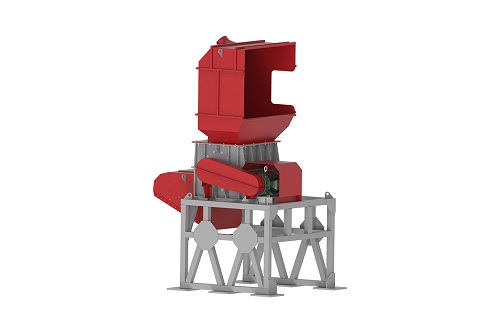
A Hammer Crusher is a versatile crushing machine widely used in mining,construction,cement,metallurgy,chemical,and recycling industries.It uses high-speed rotating hammers to impact and break materials into smaller particles,making it suitable for crushing a wide range of soft to medium-hard materials.
However,not all materials are suitable for the same type of Hammer Crusher.Material hardness,moisture content,abrasiveness,and required output size all affect equipment selection and crushing efficiency.
This article explains what materials a hammer crusher can crush and how to select the right model for different applications.
1.Limestone
Limestone is one of the most commonly processed materials using hammer crushers.
Why Use a Hammer Crusher for Limestone?
Medium hardness and easy to break
Produces uniform particle sizes
High crushing efficiency
Suitable for continuous production
Applications:
Cement manufacturing
Building materials
Aggregate production
Road construction
A heavy hammer crusher is often used in large limestone production lines because it can handle large feed sizes and provide high output capacity.
2.Coal
Coal crushing is another major application of hammer crusher machines.
Advantages for Coal Processing:
Effective crushing of brittle materials
Reduces coal into suitable sizes for combustion
Improves material handling efficiency
Common Applications:
Thermal power plants
Coal preparation plants
Mining operations
A ring hammer crusher is frequently used in coal industries because of its stable operation and high crushing efficiency.
3.Gypsum
Gypsum is a soft mineral widely used in construction materials and cement production.
Hammer crushers are suitable for gypsum because they provide:
Fine crushing performance
Low energy consumption
Uniform particle size distribution
Typical applications include:
Gypsum board production
Cement additives
Building material processing
4.Clay
Clay is another material that can be effectively processed by hammer crushers.
Benefits:
Breaks large clay blocks into smaller particles
Improves material mixing efficiency
Supports continuous production processes
Clay crushing applications include:
Brick manufacturing
Ceramic production
Cement plants
5.Concrete and Construction Waste
With the growth of recycling industries,hammer crushers are increasingly used for processing construction waste.
They can crush:
Waste concrete
Bricks
Asphalt materials
Demolition debris
Advantages:
Reduces waste volume
Produces reusable aggregates
Supports environmentally friendly recycling
For large recycling projects,an industrial hammer crusher with wear-resistant components is recommended.
6.Sandstone and Shale
Hammer crushers can process certain types of sandstone and shale used in construction and industrial production.
Applications include:
Aggregate manufacturing
Cement production
Infrastructure projects
The selection of crusher model depends on the hardness and abrasiveness of the material.
7.Medium-Hard Ores
In mining operations,hammer crushers can be used for crushing some medium-hard ores,including:
Iron ore
Copper ore
Gold ore
Manganese ore
However,highly abrasive ores may require specialized crushing equipment to reduce wear on hammer heads and liners.
A professional mining hammer crusher supplier can recommend suitable solutions based on ore characteristics.
8.Glass and Industrial Waste
Hammer crushers are also applied in recycling industries for processing:
Waste glass
Electronic waste components
Industrial by-products
The high-speed impact force helps break brittle materials efficiently and prepare them for further processing.
Materials Suitable for Hammer Crushers(Summary Table)
| Material | Hardness Level | Common Applications |
|---|---|---|
| Limestone | Soft to Medium | Cement, construction, aggregates |
| Coal | Soft | Energy, mining |
| Gypsum | Soft | Building materials |
| Clay | Soft | Ceramics, bricks, cement |
| Concrete Waste | Medium | Recycling, aggregates |
| Sandstone | Medium | Construction |
| Shale | Medium | Cement, construction |
| Some Ores | Medium | Mining processing |
| Glass | Brittle | Recycling |
Materials That May Not Be Suitable for Hammer Crushers
Although hammer crushers are versatile,they are not ideal for every material.
Materials that may cause problems include:
1.Extremely Hard Rocks
Examples:
High-strength granite
Quartzite
Very hard ores
These materials may cause rapid wear of hammer heads and reduce equipment efficiency.
2.Highly Abrasive Materials
Materials with high abrasiveness can increase:
Hammer wear
Maintenance frequency
Operating costs
For these applications,other crushing equipment may be more suitable.
3.Materials with High Moisture Content
Wet and sticky materials may cause:
Material blockage
Reduced crushing efficiency
Screen clogging
In such cases,a customized crushing solution may be required.
How to Choose the Right Hammer Crusher for Different Materials?
When selecting a hammer crusher machine,consider the following factors:
1.Material Hardness
Harder materials require:
Stronger hammer heads
Wear-resistant liners
More powerful motors
2.Material Size
Check:
Maximum feeding size
Required output particle size
A suitable crusher model can improve production efficiency and reduce unnecessary costs.
3.Production Capacity
Choose equipment according to:
Required tons per hour
Operating hours
Production goals
Large-scale mining projects usually require a heavy hammer crusher,while smaller applications may use standard models.
4.Material Moisture and Abrasiveness
Before purchasing equipment,analyze:
Moisture percentage
Material stickiness
Wear characteristics
A reliable hammer crusher manufacturer can provide customized recommendations based on these conditions.
FAQ
1.Can a hammer crusher crush rocks?
Yes.Hammer crushers can crush many types of rocks,especially soft to medium-hard rocks such as limestone,sandstone,and shale.
2.Can a hammer crusher crush concrete?
Yes.Hammer crushers are widely used in construction waste recycling to crush concrete,bricks,and other demolition materials.
3.Can a hammer crusher crush granite?
Generally,hammer crushers are not the first choice for very hard granite because the material can cause excessive wear.More suitable crushing equipment may be required.
4.What is the best material for a hammer crusher?
The best material depends on the application.Limestone,coal,gypsum,clay,and concrete waste are among the most suitable materials for hammer crushing.
5.How do I choose a hammer crusher for mining applications?
Consider the ore hardness,feed size,production capacity,and abrasion level.A professional mining hammer crusher manufacturer can help select the correct model.
Previous:
How To Select A Reliable Hammer Crusher Manufacturer
2026-07-24
Next:
Types of Hammer Crushers:How to Choose the Right Model?
2026-07-17
