 English




plastic recycling machines play an important role in converting waste plastics into reusable materials. As demand for recycled plastic continues to grow across packaging, automotive, construction, and consumer goods industries, recycling companies need efficient equipment to process different types of plastic waste.
From shredding and crushing to washing, drying, and pelletizing, each stage of plastic recycling requires specific machinery. Understanding the different types of plastic recycling machines helps recycling plant operators, equipment buyers, and manufacturers select suitable solutions for their materials and production requirements.
In this guide, we explore common plastic recycling equipment, how each machine works, and where it is used in industrial recycling operations.
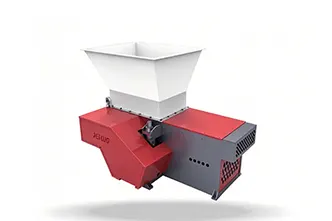
1. Plastic Shredder Machine
A plastic shredder machine is designed to reduce large plastic waste materials into smaller pieces. It uses rotating blades or cutters to tear and shear plastic products into manageable sizes for further processing.
Compared with equipment designed for fine size reduction, industrial plastic shredders are commonly used for bulky or irregular plastic waste that requires initial volume reduction.
Key Features
Processes bulky plastic materials into smaller pieces
Suitable for different plastic waste forms, depending on machine configuration
Available in single-shaft, double-shaft, and other designs
Can be integrated into complete plastic recycling lines
Blade configuration and screen size can be selected according to processing requirements
Common Applications
Plastic shredders are commonly used to process plastic drums, pipes, containers, pallets, large plastic components, and industrial plastic scrap. They are also used as the first size-reduction stage in many plastic recycling plants.
2. plastic crusher Machine
A plastic crusher machine uses high-speed rotating blades to cut plastic materials into smaller flakes or granules. It is commonly used for size reduction after initial shredding or for processing plastic waste that can be fed directly into the crusher.
Plastic crushers are available in different chamber sizes, rotor configurations, blade arrangements, and screen specifications to accommodate different materials and output requirements.
Key Features
Reduces plastic waste into smaller and more uniform pieces
Available in different rotor and blade configurations
Screen size helps determine the approximate output particle size
Suitable for in-house plastic scrap recycling and industrial recycling plants
Can work independently or as part of a recycling production line
Common Applications
Plastic crushers are widely used for processing plastic bottles, injection molding waste, plastic runners, rejected plastic products, sheets, and other production scrap.
3. Plastic Washing Machine
A plastic washing machine removes dirt, labels, oil, residues, and other contaminants from plastic waste. Washing is an important stage in many recycling processes because contamination can affect the quality of the recycled material.
Depending on the type of plastic and contamination level, a plastic washing system may include pre-washing, friction washing, hot washing, rinsing, and other cleaning stages.
Key Features
Removes surface contaminants from plastic flakes or waste materials
Available in cold washing and hot washing configurations
Can be combined with friction washing and rinsing equipment
Designed for different plastic materials and contamination levels
Can be integrated into automated plastic washing lines
Common Applications
Plastic washing machines are commonly used in PET bottle recycling, PP and PE film recycling, rigid plastic recycling, and other processes where clean recycled flakes are required.
4. Plastic Dewatering Machine and Drying System
After washing, plastic materials usually contain moisture that needs to be reduced before further processing. Plastic dewatering machines and drying systems help remove water from washed plastic flakes or film materials.
Mechanical dewatering equipment typically removes a large portion of surface water through centrifugal force or mechanical compression, while thermal or hot-air drying systems can further reduce moisture depending on the material and process requirements.
Key Features
Reduces moisture content after the washing stage
Can be designed for flakes, films, or other suitable plastic materials
Supports downstream extrusion and pelletizing processes
Can be combined with hot-air drying systems
Helps improve material handling and processing consistency
Common Applications
Dewatering and drying systems are commonly used in PET bottle recycling lines, PP PE film recycling lines, and other plastic washing and recycling applications.
5. Plastic Pelletizing Machine
A plastic pelletizing machine converts processed plastic materials into reusable plastic pellets. After suitable preparation, plastic flakes or granules are heated and melted in an extruder, then passed through a filtration and pelletizing system.
The final pelletizing method may vary depending on the material, production requirements, and equipment design. Common configurations include strand pelletizing and water-ring pelletizing systems.
Key Features
Converts processed plastic materials into reusable pellets
Available for different thermoplastic materials
Can include extrusion, filtration, and pelletizing systems
Output capacity depends on material characteristics and machine configuration
Can be customized for different production requirements
Common Applications
Plastic pelletizing machines are used in PP, PE, ABS, PS, and other suitable thermoplastic recycling processes. The recycled pellets can be used as raw materials for manufacturing plastic products, subject to material quality and application requirements.
6. PET Bottle Recycling Machine
A PET bottle recycling machine is designed to process discarded PET bottles into reusable PET flakes or other recycled materials. A typical PET bottle recycling line may include bottle sorting, label removal, crushing, washing, rinsing, dewatering, and drying equipment.
The exact process depends on the required output quality and the condition of the incoming bottles.
Key Features
Designed for post-consumer or industrial PET bottle waste
Integrates multiple processing stages into one production line
Includes equipment for size reduction and contaminant removal
Can be configured for different production capacities
Supports the production of recycled PET flakes
Common Applications
PET bottle recycling lines are used by recycling plants and material recovery businesses that process beverage bottles and other PET containers into recycled flakes for downstream applications.
7. Plastic Film Recycling Machine
A plastic film recycling machine is designed to process flexible plastic waste, including packaging film, agricultural film, woven bags, and other suitable film materials.
Because plastic films are lightweight and can contain moisture, dirt, and other contaminants, the recycling process often requires specialized feeding, shredding, washing, dewatering, and pelletizing equipment.
Key Features
Designed for flexible plastic materials
Can process PP and PE films, depending on the machine configuration
May include specialized feeding and anti-wrapping designs
Can integrate washing and drying equipment
Available as individual machines or complete recycling lines
Common Applications
Plastic film recycling machines are commonly used for agricultural films, stretch films, packaging films, woven PP bags, and industrial film scrap.
8. Plastic Recycling Production Line
A plastic recycling production line combines different machines to process waste plastics through multiple stages. Instead of purchasing individual equipment without considering the overall process, recycling plant operators can select an integrated system according to the incoming materials and desired output.
A typical plastic recycling line may include the following equipment:
Sorting system: Separates different plastic materials and removes unsuitable items.
Shredder or crusher: Reduces plastic waste into smaller pieces.
Washing system: Removes dirt, labels, and other contaminants.
Dewatering and drying system: Reduces moisture before further processing.
Extrusion system: Melts and processes plastic materials.
Pelletizing system: Converts processed plastic into reusable pellets.
Not every recycling line requires all of these machines. The equipment configuration should be based on the plastic type, contamination level, required output, and final product specifications.
9. Comparison of Different Plastic Recycling Machines
| Machine Type | Main Function | Typical Materials |
|---|---|---|
| Plastic Shredder | Initial size reduction | Bulky plastic waste, pipes, drums, pallets |
| Plastic Crusher | Crushing into smaller flakes | Bottles, runners, sheets, rigid plastic scrap |
| Plastic Washing Machine | Cleaning and contaminant removal | PET bottles, PP and PE plastics |
| Dewatering and Drying System | Moisture reduction | Washed plastic flakes and films |
| Plastic Pelletizing Machine | Pellet production | Suitable processed thermoplastics |
| PET Bottle Recycling Line | Integrated PET bottle processing | Post-consumer PET bottles |
| Plastic Film Recycling Line | Flexible plastic recycling | PP and PE films, woven bags |
10. How to Choose the Right Plastic Recycling Machine
Selecting suitable plastic recycling equipment requires more than comparing machine prices or advertised output capacities. Buyers should evaluate the materials, processing requirements, and final product specifications.
Identify the Plastic Material
Determine whether the waste consists of PET, HDPE, LDPE, PP, PVC, ABS, or mixed plastics. Different materials have different physical properties and processing requirements. Mixing incompatible materials can affect the quality of recycled output.
Evaluate Material Size and Condition
Consider whether the incoming waste consists of bottles, films, pipes, containers, sheets, or bulky plastic components. Material dimensions, moisture, dirt, labels, and contamination levels can influence equipment selection.
Determine the Required Capacity
Define the expected processing capacity and production schedule. Buyers should clarify whether the required capacity refers to input material or finished output, as these figures are not necessarily the same.
Consider the Final Output
Determine whether the project requires crushed plastic flakes, clean washed flakes, or recycled plastic pellets. The desired output quality will influence the required processing stages and equipment configuration.
Check Factory Space and Utilities
Evaluate available installation space, electricity supply, water consumption, drainage, and other site conditions. These factors are particularly important when planning a complete plastic recycling production line.
11. Custom Plastic Recycling Equipment for Industrial Projects
Different recycling plants process different types of plastic waste and have different production targets. A standard machine may not always meet the requirements of a specific recycling project.
Depending on the manufacturer's capabilities, customized plastic recycling equipment may include:
Customized shredder and crusher configurations
Washing systems designed for specific plastic materials
Customized feeding, conveying, and material handling systems
Different production capacities and equipment layouts
Integrated plastic recycling and pelletizing lines
Equipment configurations based on factory space and operating conditions
When requesting a quotation, buyers should provide the plastic material type, incoming material photos, contamination level, required capacity, desired output, available factory space, and project requirements. These details help the engineering team recommend a suitable recycling solution.
Frequently Asked Questions
Q1: What are the main types of plastic recycling machines?
Common types include plastic shredders, plastic crushers, washing machines, dewatering and drying systems, pelletizing machines, and complete plastic recycling production lines. Each machine performs a different function in the recycling process.
Q2: What machine is used to recycle plastic bottles?
PET bottle recycling lines commonly use sorting equipment, label removers, crushers, washing systems, dewatering machines, and drying equipment. The exact configuration depends on the required output quality.
Q3: What is the difference between a plastic shredder and a plastic crusher?
A plastic shredder is generally used for initial size reduction of bulky or irregular plastic waste, while a plastic crusher typically uses rotating blades to produce smaller flakes. The two machines may be used together in a recycling line.
Q4: Can one plastic recycling machine process different types of plastic?
Some machines can process multiple compatible plastic materials, but not every machine is suitable for all plastics. Material properties, machine configuration, blade design, and processing conditions should be evaluated before use.
Q5: What equipment is needed for a complete plastic recycling line?
A typical line may include sorting, shredding or crushing, washing, dewatering, drying, extrusion, and pelletizing equipment. The actual configuration depends on the input material and desired recycled product.
Q6: Can plastic recycling machines be customized?
Yes. Depending on the manufacturer, machine capacity, feeding system, cutting configuration, washing process, equipment layout, and automation level can be customized for specific recycling projects.
Conclusion
Different types of plastic recycling machines perform different functions, from initial size reduction to cleaning, drying, and pellet production. Selecting the right combination of equipment is essential for building an efficient recycling operation.
For recycling plant operators and industrial buyers, the best solution depends on the plastic material, contamination level, processing capacity, and final output requirements. Working with an experienced plastic recycling equipment manufacturer can help ensure that the machinery configuration matches the project's needs.
Contact our team to discuss your plastic recycling equipment requirements and customized production line solutions.
