 English


News


What Is a Horizontal Dehydrator?
2026-07-10 09:50:37
A Horizontal Dehydrator is a type of drying machine that removes moisture from food and other materials by using a horizontal airflow system combined with controlled heating.Unlike traditional dehydrators that circulate hot air vertically,a Horizontal Dehydrator Machine pushes heated air evenly across multiple trays from one side to the other,creating a more consistent drying environment.
This advanced airflow design makes Horizontal Dehydrators widely used in food processing,commercial kitchens,agricultural product drying,and industrial manufacturing.They are especially popular for drying fruits,vegetables,meat,herbs,spices,seafood,and pet treats because they can maintain product quality while improving drying efficiency.
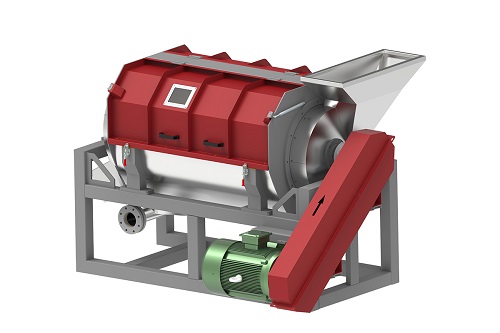
How Does a Horizontal Dehydrator Work?
A Horizontal Airflow Dehydrator works by controlling three key elements:temperature,airflow,and drying time.
First,materials are placed on stainless steel trays inside the drying chamber.After the machine starts,the heating system raises the air temperature to the required level.A powerful fan then circulates the warm air horizontally throughout the chamber.
As hot air passes over the materials,it absorbs moisture from the surface.The moisture-rich air is then released through the ventilation system,allowing continuous drying to take place.
Because the airflow moves horizontally,each tray receives a similar amount of heat and air circulation.This reduces uneven drying problems,such as some areas becoming too dry while Others remain moist.
Key Features of a Horizontal Dehydrator
1.Even Airflow Distribution
The biggest advantage of a Horizontal Dehydrator is its uniform drying performance.The horizontal airflow structure allows heat to spread evenly throughout the drying chamber.
For products with different moisture levels or delicate textures,consistent airflow is essential.It helps prevent overheating and protects the original color,flavor,and nutritional value of materials.
2.Improved Drying Efficiency
Compared with traditional drying methods,a Commercial Food Dehydrator provides faster and more stable drying results.The controlled environment allows operators to set accurate temperatures and processing times.
For businesses producing dried snacks,ingredients,or preserved foods,improved efficiency means higher production capacity and lower operating costs.
3.Multiple Tray Capacity
Most Industrial Dehydrators feature multiple stainless steel trays,allowing large quantities of products to be processed at the same time.
This makes them suitable for:
Food factories
Restaurants
Farms
Snack manufacturers
Pet food producers
Large-capacity designs help reduce production cycles and increase overall productivity.
4.Precise Temperature Control
Different products require different drying conditions.A Horizontal Dehydrator Machine usually includes adjustable temperature settings and digital controls.
For example:
Fruits require gentle drying to maintain sweetness and color.
Herbs need lower temperatures to preserve aroma.
Meat requires controlled heat for safe dehydration.
Accurate temperature management ensures better product quality.
5.Food-Grade Construction
High-quality Food Dehydrator Machines are commonly made from stainless steel.Stainless steel provides:
Excellent corrosion resistance
Easy cleaning
Long service life
Better hygiene standards
This makes stainless steel dehydrators ideal for professional food processing environments.
Applications of Horizontal Dehydrators
A Horizontal Dehydrator can be used for many different drying applications.
Fruit and Vegetable Drying
One of the most common uses is producing dried fruits and vegetables.Products such as apples,bananas,mangoes,mushrooms,onions,and peppers can be dehydrated while maintaining their natural characteristics.
Meat Processing
A Meat Dehydrator is widely used for making beef jerky,dried meat snacks,and natural pet treats.The stable drying environment helps improve shelf life and preserve texture.
Herbs and Spices
Herbs and spices require careful temperature control.A Horizontal Airflow Dehydrator helps protect essential oils,flavors,and aromas during the drying process.
Pet Food Production
Many pet food manufacturers use industrial dehydration equipment to produce healthy dried treats made from chicken,fish,and other natural ingredients.
Agricultural Processing
Farmers and food suppliers can use Industrial Drying Equipment to reduce food waste and extend the storage life of seasonal products.
Horizontal Dehydrator vs Vertical Dehydrator
Although both machines use heat and airflow to remove moisture,their airflow designs are different.
| Feature | Horizontal Dehydrator | Vertical Dehydrator |
|---|---|---|
| Airflow Direction | Side-to-side airflow | Top-to-bottom airflow |
| Drying Uniformity | More consistent | May vary between trays |
| Capacity | Suitable for commercial use | Usually smaller |
| Tray Access | Easier loading and unloading | More limited |
| Application | Food production and industrial use | Home and small-scale use |
For professional applications requiring consistent results,a Horizontal Dehydrator is often the preferred choice.
Benefits of Using a Horizontal Dehydrator
Using a Commercial Food Dryer offers several important advantages:
Better Product Quality:
Uniform heat distribution helps preserve texture,color,and flavor.
Higher Production Efficiency:
Large tray capacity allows more materials to be processed in one batch.
Lower Labor Requirements:
Consistent airflow reduces the need to manually rotate trays.
Energy Savings:
Efficient heat circulation helps shorten drying time and reduce energy consumption.
Flexible Applications:
One machine can handle different types of products with adjustable settings.
How to Choose a Horizontal Dehydrator?
When selecting a Horizontal Dehydrator Machine,consider the following factors:
1.Drying Capacity
Choose a machine based on your daily production needs.Small businesses may need compact models,while factories require large industrial units.
2.Temperature Range
Ensure the machine supports the temperature requirements of your products.
3.Material Quality
For food applications,stainless steel construction is recommended for safety and durability.
4.Airflow System
A well-designed airflow system improves drying uniformity and reduces processing time.
5.Control Features
Digital temperature control,timers,and automatic settings can make operation easier and more efficient.
FAQ
Q1:What is a Horizontal Dehydrator used for?
A Horizontal Dehydrator is used to remove moisture from fruits,vegetables,meat,herbs,seafood,and other products through controlled heating and airflow.
Q2:Is a Horizontal Dehydrator better than a vertical dehydrator?
For commercial drying applications,horizontal models usually provide more even airflow and better production efficiency.
Q3:Can a Horizontal Dehydrator be used for industrial production?
Yes.Large-capacity industrial models are commonly used in food factories,agricultural processing,and commercial food production.
Q4:What materials can be dried in a Horizontal Dehydrator?
Common materials include fruits,vegetables,meat,fish,herbs,spices,mushrooms,and pet treats.
Previous:
Horizontal Dehydrator vs Vertical Dehydrator:Which Drying Machine Is Better?
2026-07-10
Next:
How to Choose the Right Plastic Crusher for Your Recycling Plant
2026-07-02
