 English




Recycling requires different types of equipment to collect, sort, process, and prepare waste materials for reuse. The right recycling equipment depends on the material being handled, such as plastic, metal, paper, electronic waste, or mixed industrial waste. For recycling companies and manufacturers, selecting suitable equipment can improve processing efficiency, material recovery, and overall operating costs.
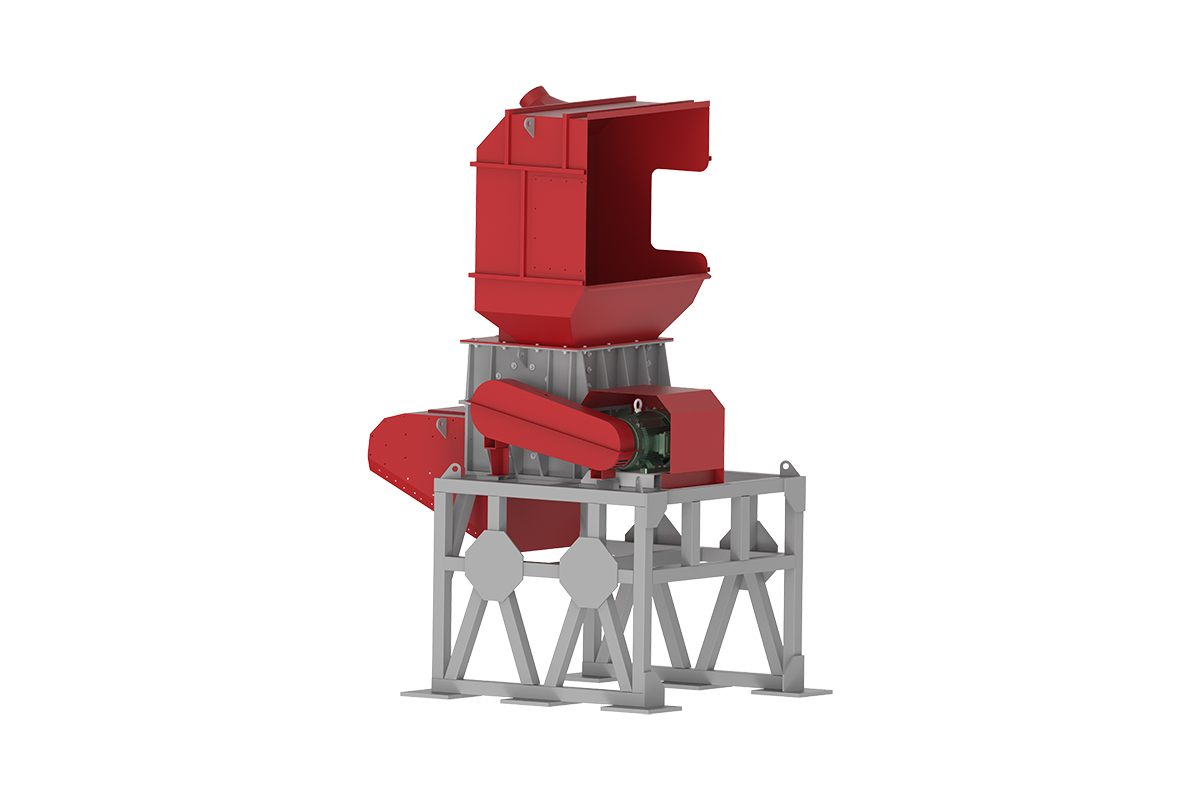
1. Recycling Shredders
Shredders are commonly used as the first processing stage for many recyclable materials. They reduce large or bulky waste into smaller pieces, making the material easier to transport, sort, and process in subsequent stages.
Depending on the application, shredders can be used for plastic products, pipes, packaging materials, electronic waste, rubber, and other industrial waste. Single-shaft and dual-shaft shredders are commonly selected according to material characteristics and required throughput.
2. Plastic Crushers
Plastic Crushers are designed to reduce plastic waste into smaller flakes or granules. They are widely used for processing plastic bottles, containers, sheets, films, pipes, and injection molding waste.
After crushing, the plastic can be further washed, separated, dried, and processed into recycled material. Crusher selection should consider plastic type, material thickness, feeding size, and required output.
3. Sorting Equipment
Sorting equipment separates different materials or grades of recyclable waste. Depending on the recycling line, sorting can be performed manually or with automated systems.
Common sorting technologies include magnetic separation, eddy current separation, optical sorting, and air separation. These systems help remove unwanted materials and improve the purity of recovered resources.
4. Magnetic Separators
Magnetic separators are mainly used to remove ferrous metals from mixed waste streams. They are commonly integrated into recycling lines for municipal waste, construction waste, plastic recycling, and industrial waste processing.
By separating iron and steel materials before further processing, magnetic separators can protect downstream equipment and improve the quality of recycled materials.
5. Granulators
Granulators further reduce processed plastic or other materials into smaller and more uniform particles. In plastic recycling, granulation is often used after shredding or crushing to prepare material for washing, extrusion, or pelletizing.
The size of the final particles can be controlled according to the equipment configuration and screen selection.
6. Washing and Drying Equipment
Washing systems remove dirt, labels, oil, dust, and other contaminants from recyclable materials. They are particularly important in plastic recycling, where the cleanliness of the material directly affects the quality of the recycled output.
After washing, drying equipment removes excess moisture before the material enters the next processing stage. A complete plastic recycling line may combine shredding, crushing, washing, separation, and drying equipment.
7. Recycling Extruders
Recycling extruders are used to melt and process recyclable plastic into a continuous material stream. The processed plastic can then be filtered and converted into recycled plastic pellets or other forms suitable for manufacturing.
Extrusion is commonly used when recycled plastic needs to be converted into a consistent raw material for further production.
8. Balers and Compactors
Balers compress recyclable materials into compact bales for easier storage, handling, and transportation. They are frequently used for cardboard, paper, plastic film, aluminum cans, and other lightweight recyclable materials.
Compactors can also reduce the volume of waste, helping recycling facilities make better use of available storage and transportation capacity.
9. Conveyor Systems
Conveyors connect different machines throughout a recycling line. They transport materials between shredders, crushers, sorting equipment, washing systems, and other processing units.
A properly designed conveyor system helps maintain a continuous material flow and reduces the need for manual handling. Conveyor configuration should be selected according to material type, processing capacity, and plant layout.
How to Choose Recycling Equipment?
The most suitable recycling equipment depends on several factors, including the type of waste, material size, contamination level, required capacity, desired output quality, and available production space.
For example, a plastic recycling plant may require a combination of shredders, crushers, washing equipment, drying systems, and extruders, while a metal recycling operation may place greater emphasis on shredding, magnetic separation, and metal sorting.
Build a Suitable Recycling System
Recycling equipment works most effectively when individual machines are designed as part of a complete processing system. From initial size reduction and sorting to cleaning and final material preparation, each stage contributes to the efficiency and quality of the recycling process.
For recycling companies and industrial waste processors, working with an experienced recycling equipment manufacturer can help develop a solution based on material characteristics, production capacity, and specific processing requirements.
