 English


News


How to Choose the Right Plastic Recycling Machine for Your Material?
2026-09-05 17:39:29
Choosing the right plastic recycling machine starts with understanding the material you need to process. Plastic film, rigid plastic, bottles, pipes, production scrap, and contaminated post-consumer waste can have very different processing requirements.
Selecting equipment based only on machine capacity or price can lead to inefficient processing. A better approach is to evaluate the plastic type, material form, contamination, moisture, required output, processing capacity, and final application before choosing a recycling system.
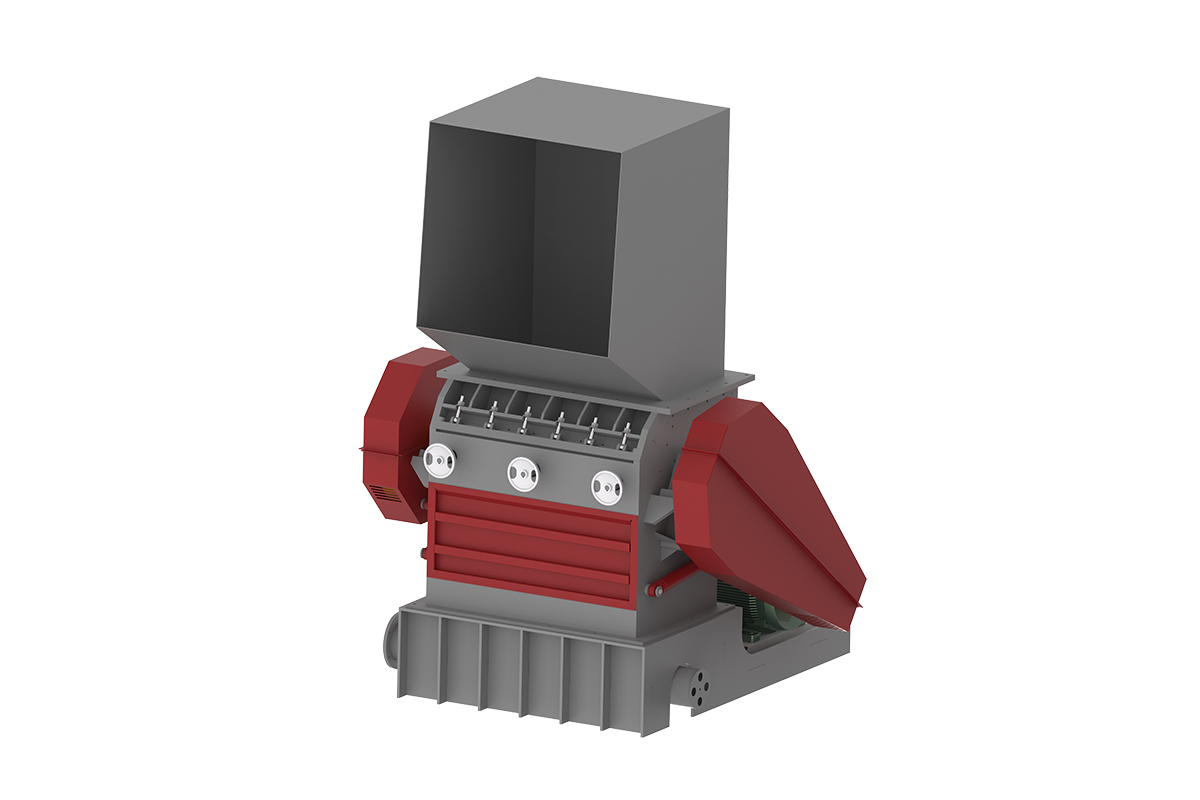
Why Does Material Matter When Choosing a plastic recycling machine?
Different plastics behave differently during recycling. Their hardness, flexibility, melting temperature, moisture sensitivity, contamination level, and physical form can all affect equipment selection.
For example, flexible plastic film can behave very differently from rigid plastic containers during feeding and size reduction. Similarly, clean factory scrap may require a simpler process than dirty post-consumer plastic waste.
For this reason, the material should be the starting point when selecting a plastic recycling machine.
1. Identify the Type of Plastic
The first step is to identify the main plastic material. Common recyclable plastics include PE, PP, PET, and PVC, although the appropriate recycling process depends on the specific material and application.
PE Plastic
PE is widely used in films, bags, containers, pipes, and various industrial products. PE film recycling may require equipment designed specifically for lightweight and flexible materials.
PP Plastic
PP is commonly used for packaging, containers, automotive components, household products, and industrial parts. Rigid PP scrap can often be processed through crushing or shredding followed by further recycling stages.
PET Plastic
PET is commonly found in beverage bottles and packaging. PET recycling systems may use specialized washing, drying, size reduction, and sorting processes depending on the input material and desired output.
PVC Plastic
PVC can be found in pipes, profiles, cables, and other products. Because PVC has specific processing characteristics, the recycling equipment should be selected specifically for the material and intended application.
2. Consider the Form of the Plastic Waste
Plastic waste can arrive in many different forms, including film, bottles, sheets, pipes, containers, lumps, flakes, or injection molding scrap.
The physical form determines how the material should be fed, reduced in size, conveyed, and processed.
| Material Form | Typical Consideration |
|---|---|
| Plastic Film | Requires stable feeding and suitable size-reduction equipment |
| Plastic Bottles | May require crushing, washing, drying, and sorting |
| Rigid Plastic | Often requires a crusher or shredder before further processing |
| Plastic Pipes | Requires suitable feeding and size reduction for long or bulky materials |
| Production Scrap | May allow a simpler recycling process when material is clean |
3. Check the Contamination Level
Contamination is one of the most important factors when selecting a plastic recycling machine. Plastic waste may contain dirt, dust, labels, paper, food residue, oil, metal particles, or other unwanted materials.
If the input material is heavily contaminated, the recycling line may require additional washing, separation, drying, and filtration equipment.
For relatively clean production scrap, a complete washing line may not be necessary. This can simplify the recycling process and reduce unnecessary equipment.
4. Consider Moisture Content
Moisture can affect downstream processing, particularly during extrusion. Washed plastic therefore needs an appropriate dewatering and drying process before melting and pelletizing.
The required drying method depends on the material, moisture level, production capacity, and extrusion process. Discussing these factors with the equipment manufacturer can help determine the appropriate drying configuration.
5. Determine Your Required Capacity
Capacity is another important consideration when choosing a plastic recycling machine. Before selecting equipment, estimate how much plastic waste needs to be processed per hour or per day.
Do not select a machine based only on its maximum theoretical capacity. Actual throughput can vary depending on material type, moisture, contamination, feeding conditions, particle size, and processing parameters.
It is better to provide the manufacturer with realistic information about your input material and expected production requirements.
6. Decide the Desired Output
Consider what you want to obtain after recycling. Some applications require plastic flakes, while Others require recycled pellets for subsequent manufacturing processes.
If pellets are required, the recycling system may need additional extrusion, melt filtration, cooling, and pelletizing equipment.
The final application of the recycled plastic should therefore be considered before choosing the machine configuration.
7. Consider the Required Size Reduction
A crusher or shredder is often used to reduce plastic waste into smaller pieces. However, different materials require different cutting and feeding solutions.
Rigid plastic parts, large lumps, pipes, and flexible film may require different types of size-reduction equipment. Choosing the right equipment can improve material feeding and prepare the plastic for subsequent recycling stages.
8. Consider Washing Requirements
Not every plastic recycling project requires washing. The decision depends mainly on the cleanliness of the input material.
A washing system may be necessary for plastic waste containing significant amounts of dirt or other contaminants. Depending on the application, the system may include pre-washing, friction washing, rinsing, and other cleaning processes.
For clean industrial scrap, unnecessary washing equipment may add complexity to the recycling line. The process should therefore be designed according to actual material conditions.
9. Consider Extrusion and Filtration
If the goal is to produce recycled plastic pellets, extrusion is an important stage. The extruder melts and conveys the plastic while the filtration system helps remove remaining solid contaminants from the melt.
Filtration requirements depend on the cleanliness of the material. Materials with higher contamination levels may require more suitable melt filtration solutions to maintain stable processing.
10. Evaluate Energy and Operating Requirements
When comparing different plastic recycling machines, consider not only the initial equipment cost but also long-term operating requirements.
Important factors can include motor power, heating requirements, water consumption for washing systems, drying requirements, maintenance intervals, wear parts, and labor requirements.
A machine with an appropriate configuration can help avoid unnecessary energy and operating costs caused by oversized or unsuitable equipment.
11. Consider Machine Maintenance
Recycling equipment operates with materials that may contain abrasive particles, dirt, labels, or other contaminants. Components such as cutting tools, screens, filters, seals, and wear parts may require regular inspection or replacement.
Before purchasing a plastic recycling machine, ask about maintenance requirements, spare parts availability, cleaning procedures, and technical support.
12. Consider Available Factory Space
A complete plastic recycling line may include several machines connected by conveyors and auxiliary equipment. The available installation space should therefore be considered during the design stage.
Provide the equipment supplier with information about the available workshop area, material flow, feeding location, output location, electrical requirements, and other installation conditions.
Plastic Recycling Machine Selection Checklist
Before making a purchasing decision, you can evaluate your project using the following checklist:
What type of plastic will be processed?
Is the material PE, PP, PET, PVC, or another thermoplastic?
Is the material film, bottle, pipe, sheet, rigid part, or production scrap?
How much contamination does the material contain?
Does the material require washing?
What is the approximate moisture level after washing?
How much material needs to be processed per hour?
Do you need flakes or recycled pellets?
What level of melt filtration is required?
How much installation space is available?
What are the expected operating and maintenance requirements?
Why Material Testing Is Important
When the plastic waste is complex or the recycling requirements are demanding, material testing can be useful before finalizing the equipment configuration.
A sample of the actual plastic waste can help the manufacturer evaluate feeding, crushing, washing, drying, extrusion, filtration, and pelletizing requirements.
This approach can reduce the risk of selecting equipment based only on general assumptions and can help develop a recycling system that is better matched to the actual material.
Common Mistakes When Choosing a Plastic Recycling Machine
Choosing Only by Price
The lowest purchase price does not necessarily represent the lowest total cost. Machine configuration, energy consumption, maintenance, wear parts, and output quality should also be considered.
Ignoring the Material Form
A machine designed for rigid plastic may not be suitable for lightweight film or long pipes. The physical form of the input material should always be considered.
Overlooking Contamination
Dirty plastic may require washing and filtration systems. Ignoring contamination can result in an unsuitable recycling process.
Using Maximum Capacity as Actual Capacity
Published capacity figures may depend on specific material and operating conditions. Discuss realistic throughput with the manufacturer based on your actual plastic waste.
Frequently Asked Questions
How do I choose a plastic recycling machine?
Start with the plastic type, material form, contamination level, moisture, required capacity, desired output, and available installation space. These factors determine the appropriate machine configuration.
Which plastic recycling machine is suitable for plastic film?
Plastic film generally requires equipment designed to handle lightweight and flexible materials. The complete configuration depends on the film material, contamination level, moisture, and required output.
Do I need a washing system?
A washing system is usually considered when plastic waste contains dirt or other contaminants that need to be removed before further processing. Clean production scrap may require a simpler process.
Should I choose a crusher or shredder?
The choice depends on the size, hardness, shape, and volume of the plastic waste. Large or bulky materials may require shredding, while certain rigid plastic scrap can be processed with a crusher.
Can a plastic recycling machine be customized?
Yes. Recycling systems can be configured according to the plastic material, input condition, required capacity, output requirements, and factory layout.
Choosing the right plastic recycling machine requires more than comparing machine specifications. The most important starting point is the material itself, including its type, physical form, contamination, moisture, and required output.
By evaluating these factors together with capacity, washing requirements, extrusion, filtration, maintenance, energy consumption, and available factory space, manufacturers and recycling businesses can develop a more suitable recycling solution.
If you are planning a plastic recycling project, providing the equipment manufacturer with detailed information and material samples can help determine the appropriate machine configuration for your application.
Previous:
What Types of Equipment Are Used in Recycling?
2026-09-12
Next:
What Is a Plastic Recycling Machine and How Does It Work?
2026-09-05
