 English


News


What Is a Plastic Recycling Machine and How Does It Work?
2026-09-05 17:36:22
A plastic recycling machine is industrial equipment used to process waste plastic and convert it into reusable plastic material. Depending on the type of plastic and the required output, a recycling system may include crushing, shredding, washing, drying, melting, filtering, and pelletizing processes.
Plastic recycling machines are widely used by plastic manufacturers, recycling companies, packaging businesses, and industrial facilities that need to recover value from plastic waste. By processing suitable plastic materials, these machines can help turn production scrap and post-consumer plastic waste into reusable flakes or pellets.
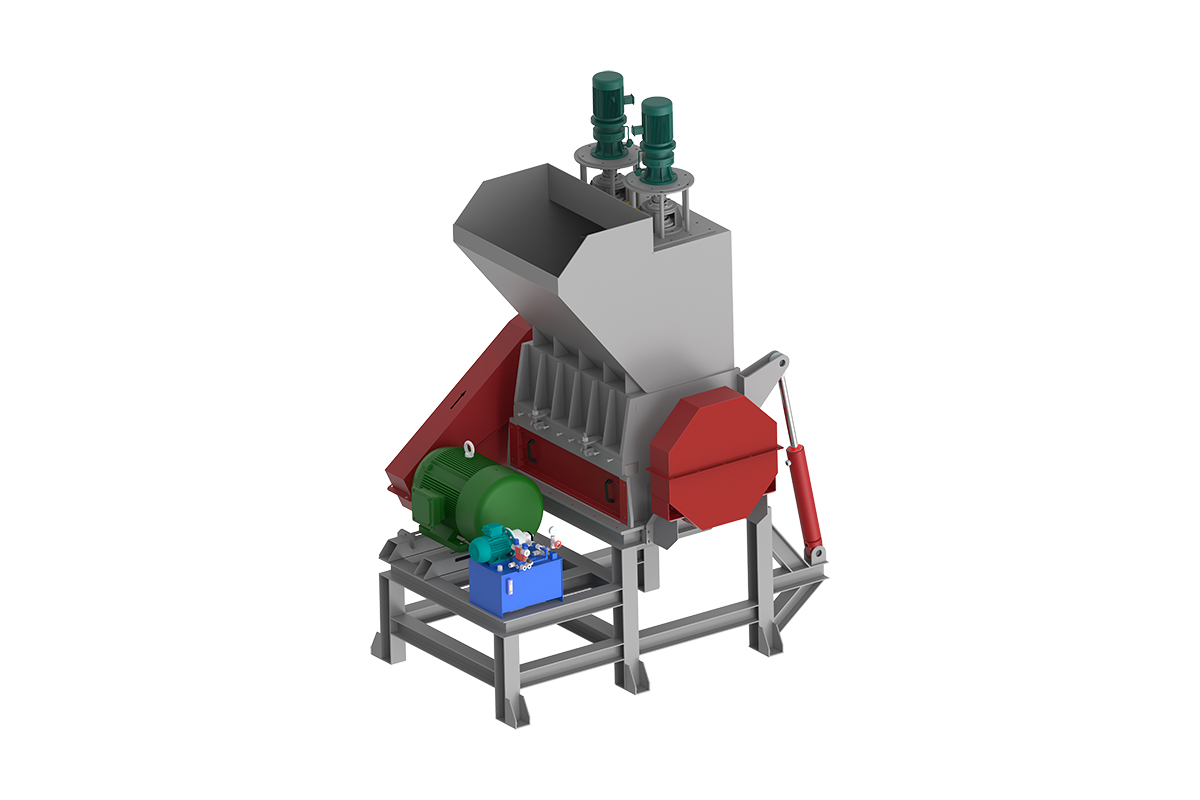
What Is a Plastic Recycling Machine?
A plastic recycling machine is a processing system designed to handle recyclable plastic waste through one or more mechanical or thermal processes. The exact configuration depends on the material being processed and the desired recycled output.
Some systems are designed primarily for size reduction, while complete plastic recycling lines can process plastic waste from the initial feeding stage through washing, drying, extrusion, filtration, and pelletizing.
Common plastic materials that may be processed include PE, PP, PET, PVC, and other recyclable thermoplastics. However, not every machine is suitable for every type of plastic, so material characteristics should be considered before selecting equipment.
How Does a Plastic Recycling Machine Work?
The recycling process varies according to the material and machine configuration. A typical plastic recycling machine may use several stages to transform waste plastic into a more uniform and reusable material.
1. Feeding
Plastic waste is first introduced into the recycling system through a feeding device. The feeding method depends on the size, shape, and form of the incoming material.
Film, bottles, rigid plastic parts, production scrap, and other plastic waste may require different feeding solutions. A stable feeding process helps maintain consistent material flow through the recycling line.
2. Crushing or Shredding
Large plastic pieces are often reduced in size before further processing. A Plastic Crusher or shredder cuts the material into smaller pieces, making it easier to handle and process.
Size reduction can also improve the efficiency of subsequent washing, drying, conveying, and melting processes. The appropriate equipment depends on whether the input material is rigid plastic, film, lumps, pipes, or other forms of waste.
3. Washing
When plastic waste contains dirt, dust, labels, food residues, oil, or other contaminants, a washing stage may be included in the recycling line.
Washing equipment can help separate unwanted contaminants from recyclable plastic. The washing process may include friction washing, rinsing, soaking, or other methods depending on the material and contamination level.
4. Dewatering and Drying
After washing, excess water needs to be removed before the plastic enters subsequent processing stages. Mechanical dewatering and thermal or hot-air drying can be used depending on the system design.
Effective drying is particularly important before extrusion because excessive moisture can affect processing stability and the quality of the recycled material.
5. Melting and Extrusion
In a plastic recycling line that produces recycled pellets, the cleaned and dried plastic is fed into an extruder. Inside the extruder, controlled heat and mechanical shear soften or melt the thermoplastic material.
The screw conveys the material through the barrel while maintaining a controlled material flow. Different plastics require different processing conditions, so temperature, screw configuration, and processing speed should be selected according to the material.
6. Filtration
During extrusion, a filtration system can remove remaining solid contaminants from the molten plastic. This can be important when processing waste material that contains small amounts of paper, aluminum, dirt, or other unwanted particles.
The filtration method should match the contamination level and the requirements of the final recycled product.
7. Pelletizing
After filtration, the molten plastic can be formed into strands or other shapes and then cut into small recycled plastic pellets. Pelletizing makes the recycled material easier to transport, store, and reuse in subsequent plastic manufacturing processes.
The final pellet size and pelletizing method depend on the machine configuration and the requirements of the recycled material.
What Types of Plastic Can Be Recycled?
The suitable material range depends on the design of the recycling machine. Common thermoplastic materials processed by recycling equipment include:
PE: Polyethylene used in films, bags, containers, pipes, and other products.
PP: Polypropylene commonly found in packaging, containers, automotive parts, and household products.
PET: Polyethylene terephthalate widely used in bottles and packaging.
PVC: Polyvinyl chloride used in pipes, profiles, cables, and other products.
Other thermoplastics: Certain additional recyclable materials can be processed when the machine is specifically configured for them.
Because different plastics have different melting characteristics, contamination levels, moisture requirements, and processing behavior, the recycling equipment should be selected according to the actual material.
What Are the Main Components of a Plastic Recycling Machine?
A complete plastic recycling machine can contain several types of equipment working together. A typical system may include:
Feeding system
Plastic Crusher or shredder
Conveyor system
Washing equipment
Dewatering equipment
Drying system
Extruder
Melt filtration system
Pelletizing system
Cooling and conveying equipment
Not every recycling application requires all of these components. For example, relatively clean production scrap may require only size reduction and extrusion, while heavily contaminated post-consumer plastic may require a more complete washing and drying system.
Why Is plastic recycling equipment Important?
plastic recycling equipment allows suitable plastic waste to be processed into materials that can be used again. For manufacturers, recovering production scrap can reduce material waste and improve resource utilization.
For recycling facilities, a properly configured recycling line can help process different forms of plastic waste into consistent flakes or pellets suitable for further applications.
Plastic Recycling Machine Applications
Plastic recycling machines are used in a wide range of industrial applications.
Plastic Manufacturing
Plastic manufacturers can recycle production scrap such as rejected parts, runners, film, or other process waste, depending on the material and recycling requirements.
Packaging Recycling
Plastic packaging waste can be processed through suitable crushing, washing, drying, and pelletizing systems to produce reusable recycled material.
Plastic Film Recycling
Waste PE film and similar flexible plastics may require specialized shredding, washing, drying, and extrusion equipment because films are lightweight and can be difficult to handle.
Industrial Plastic Waste
Factories can use recycling equipment to process suitable plastic waste generated during manufacturing, helping recover materials that would otherwise require disposal.
What Factors Affect Plastic Recycling Efficiency?
The performance of a recycling system depends on several factors. Material type, contamination, moisture, particle size, feeding stability, processing temperature, filtration, and machine configuration can all affect the recycling process.
Consistent material preparation is particularly important. Plastic waste with large differences in material type or contamination can make the recycling process more difficult and may affect the consistency of the recycled output.
How to Choose a Plastic Recycling Machine?
Before purchasing a plastic recycling machine, consider the material, required capacity, desired output, contamination level, available space, and production requirements.
It is also important to discuss the actual plastic waste with the equipment manufacturer. Material samples, processing tests, and technical specifications can help determine the appropriate machine configuration.
Frequently Asked Questions
What does a plastic recycling machine do?
A plastic recycling machine processes suitable plastic waste through stages such as crushing, washing, drying, melting, filtration, and pelletizing to produce reusable plastic flakes or pellets.
Can one machine recycle all types of plastic?
No. Different plastics have different physical and thermal characteristics. Machine configuration should be selected according to the specific material and recycling process.
Does plastic waste need to be washed before recycling?
It depends on the cleanliness of the material. Clean production scrap may require little or no washing, while contaminated plastic waste may require a dedicated washing process.
What is the output of a plastic recycling machine?
Depending on the machine configuration, the output can be plastic flakes, recycled pellets, or other processed plastic materials.
Can plastic recycling machines be customized?
Yes. Recycling systems can be configured according to material type, contamination level, required capacity, output requirements, and available production space.
A plastic recycling machine provides a practical way to process suitable plastic waste into reusable materials. From crushing and washing to drying, extrusion, filtration, and pelletizing, each stage plays an important role in the overall recycling process.
The most suitable recycling system depends on the type and condition of the plastic waste as well as the required output. Understanding the complete recycling process can help manufacturers and recycling businesses select equipment that better matches their production requirements.
Previous:
How to Choose the Right Plastic Recycling Machine for Your Material?
2026-09-05
Next:
How Does a Plastic Recycling Machine Work?
2026-08-28
