 English




Plastic shredders and plastic crushers are two commonly used machines in plastic recycling operations. Both are designed to reduce plastic waste into smaller pieces, making materials easier to handle, transport, wash, and process.
Although these machines have similar purposes, they differ in working principles, cutting structures, processing capabilities, and typical applications. Choosing the wrong equipment may result in inefficient material processing, unnecessary operating costs, or difficulties in downstream production.
For recycling plant operators, plastic manufacturers, and equipment buyers, understanding the difference between a plastic shredder and a Plastic Crusher is important when planning a plastic recycling system.
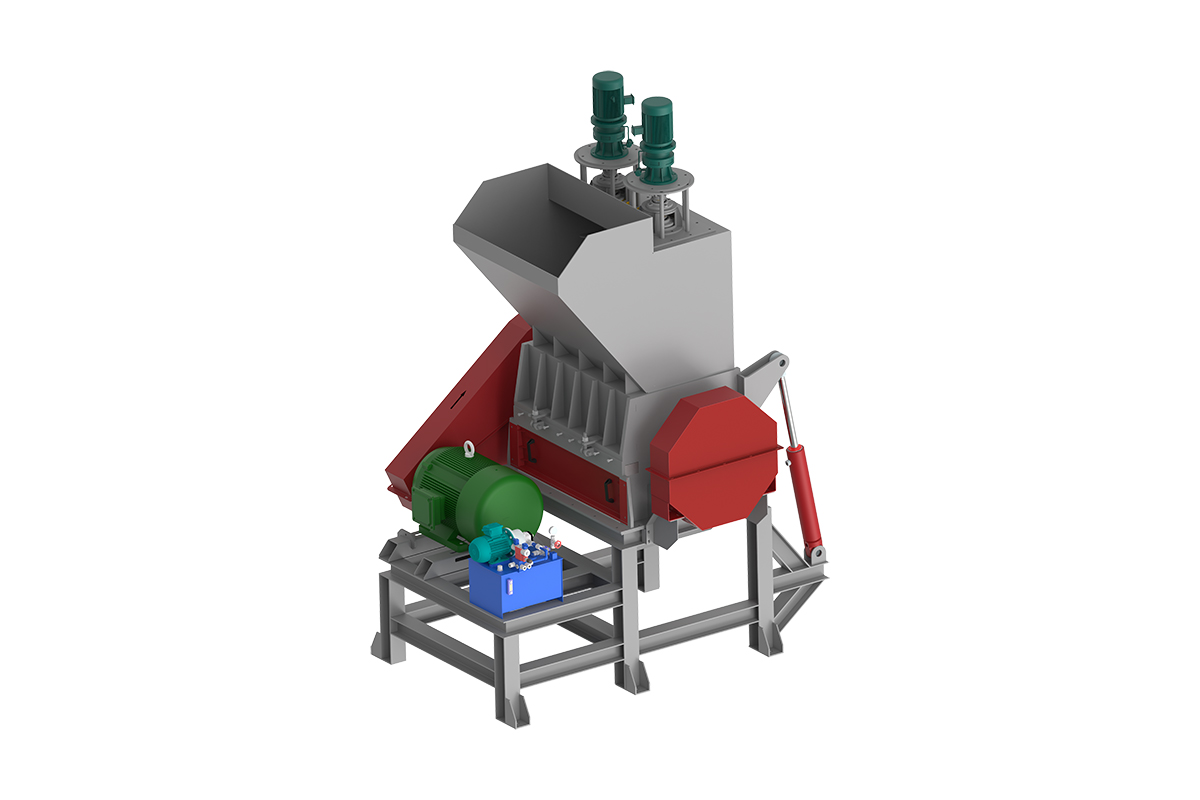
1. What Is a Plastic Shredder?
A plastic shredder is an industrial size-reduction machine designed to process bulky, large, or irregular plastic waste into smaller pieces. It generally uses rotating shafts equipped with cutting blades to tear, shear, or break down plastic materials.
Depending on the machine design, plastic shredders may use single-shaft, double-shaft, or other cutting configurations. Different blade arrangements and rotor structures are selected according to material type, size, thickness, and required throughput.
How Does a Plastic Shredder Work?
Plastic waste is fed into the shredding chamber, either manually or through a feeding conveyor or other material handling system. Rotating cutters engage with the material and gradually reduce it into smaller pieces.
Some plastic shredders use a screen to control the discharge size, while other designs rely on the cutting structure and operating conditions. The resulting material is typically suitable for further processing by a plastic crusher, washing system, or other recycling equipment.
Common Applications of Plastic Shredders
Large plastic drums and containers
Plastic pipes and profiles
Plastic pallets and crates
Bulky industrial plastic scrap
Large rejected plastic products
Other oversized plastic waste materials
2. What Is a Plastic Crusher?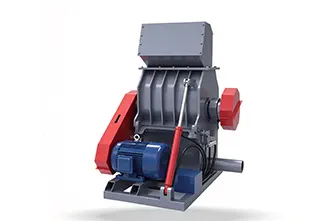
A plastic crusher is a machine that reduces plastic materials into smaller flakes or granules through a cutting and crushing process. It commonly uses high-speed rotating blades working with fixed blades inside a cutting chamber.
Plastic crushers are widely used in plastic manufacturing facilities and recycling plants to process production scrap, rejected products, and pre-shredded materials.
How Does a Plastic Crusher Work?
Plastic materials enter the crushing chamber through a feed opening. Rotating blades cut the materials against stationary blades, reducing them into smaller pieces.
A screen is commonly installed at the bottom of the crushing chamber. Material that reaches the required size can pass through the screen, while larger pieces remain in the chamber for further size reduction.
Common Applications of Plastic Crushers
Plastic bottles and containers
Injection molding runners and sprues
Plastic sheets and panels
Rejected plastic products
Pre-shredded plastic materials
Production waste from plastic manufacturing
3. Plastic Shredder vs. Plastic Crusher: Key Differences
While both machines reduce plastic waste size, they are generally designed for different processing stages and material conditions.
| Comparison | Plastic Shredder | Plastic Crusher |
|---|---|---|
| Main Function | Initial size reduction | Further size reduction into flakes |
| Working Principle | Tearing and shearing | Cutting and crushing |
| Cutting Structure | Rotating shafts with cutting blades | Rotating and fixed blades |
| Typical Feed Material | Bulky or irregular plastic waste | Smaller plastic products or pre-shredded materials |
| Output | Shredded plastic pieces | Plastic flakes or granules |
| Typical Role | Primary size reduction | Secondary or direct crushing |
| Common Applications | Drums, pipes, pallets, bulky scrap | Bottles, runners, sheets, plastic scrap |
These are general differences rather than fixed rules. Actual processing capability, output size, and throughput depend on the machine model, blade design, screen configuration, and material characteristics.
4. Which Machine Is Better for Different Plastic Materials?
The choice between a plastic shredder and a plastic crusher depends largely on the physical form and condition of the incoming material.
Bulky Plastic Waste
For large plastic drums, pallets, thick pipes, and oversized containers, an industrial plastic shredder is often a suitable first-stage machine. Its cutting structure is designed to handle larger materials before further processing.
Plastic Bottles and Containers
Plastic bottles and smaller containers can often be processed using a plastic crusher, depending on their size, shape, and material condition. For large or compressed loads, pre-shredding may be considered.
Plastic Film and Woven Bags
Flexible materials such as PP woven bags, PE films, and packaging films can wrap around rotating components if the machine is not designed for them. Buyers should select equipment with suitable rotor, blade, feeding, and anti-wrapping configurations.
Injection Molding Waste
Injection molding runners, sprues, and rejected plastic parts are commonly processed by plastic crushers for in-house recycling. The required crushing chamber size and screen opening depend on the dimensions and material of the scrap.
Plastic Pipes and Profiles
Long and bulky plastic pipes or profiles may require a shredder with a suitable feeding arrangement. Smaller pipes and offcuts may be processed by a crusher if they fit the machine's feed opening and operating capacity.
5. Can a Plastic Shredder and Plastic Crusher Work Together?
Yes. Plastic shredders and plastic crushers are often used together in industrial plastic recycling lines. The shredder performs initial size reduction, while the crusher further reduces the shredded material into smaller flakes.
A typical two-stage size-reduction process may include:
Feeding: Waste plastic is transported to the primary shredding equipment.
Shredding: The plastic shredder reduces large materials into smaller pieces.
Conveying: Shredded materials are transferred to the next processing stage.
Crushing: A plastic crusher further reduces the material to the required flake size.
Screening: The screen controls the approximate discharge size according to the machine configuration.
Washing or further processing: The crushed plastic can enter a washing, drying, extrusion, or pelletizing process as required.
This combination can be useful when processing bulky plastic waste or when a recycling project requires multiple size-reduction stages. However, smaller or cleaner materials may only require one machine, depending on the desired output.
6. How to Choose Between a Plastic Shredder and a Plastic Crusher
Before purchasing plastic size reduction equipment, buyers should evaluate the following factors.
Material Type
Identify the plastic material, such as PET, HDPE, LDPE, PP, ABS, or PVC. Different plastics have different toughness, rigidity, and processing characteristics.
Material Size and Shape
Check the dimensions, thickness, and shape of the incoming plastic waste. Large and irregular materials may require a shredder, while smaller materials may be suitable for direct crushing.
Required Output Size
Determine the desired output particle size based on the next processing stage. For example, plastic washing systems and extrusion equipment may have different feed size requirements.
Processing Capacity
Calculate the expected input volume per hour and consider the production schedule. When comparing machine capacities, clarify the material type and operating conditions used for the quoted capacity.
Blade Design and Maintenance
Blade material, hardness, geometry, and replacement accessibility can affect cutting performance and maintenance requirements. Buyers should ask about blade life under comparable working conditions and the availability of replacement parts.
Installation and Power Requirements
Check the machine dimensions, motor power, electrical supply, feeding method, and available installation space. These factors are especially important when integrating the machine into an existing recycling plant.
7. What Factors Affect the Performance of Plastic Shredders and Crushers?
Machine performance depends on several design and operating factors. Understanding these factors can help recycling plant operators improve processing efficiency and reduce unnecessary downtime.
Blade quality: Blade material and cutting geometry influence cutting performance and wear resistance.
Rotor design: Rotor structure and blade arrangement affect material engagement and processing behavior.
Motor power: The motor and drive system should match the material characteristics and expected throughput.
Screen size: Screen openings influence the approximate output particle size of machines equipped with screens.
Feeding consistency: Suitable feeding methods help maintain stable material flow and reduce overloading.
Maintenance condition: Worn blades, damaged screens, and loose components can reduce machine performance.
8. Common Maintenance Tips for Plastic Shredders and Crushers
Regular maintenance helps keep plastic size reduction equipment operating reliably. The maintenance schedule should follow the manufacturer's instructions and the actual operating conditions.
Inspect and Maintain Blades
Check blades regularly for wear, damage, and looseness. Sharpening, adjustment, or replacement should be performed according to the blade design and manufacturer recommendations.
Check Screens and Discharge Systems
Inspect screens for blockage, deformation, or damage. Remove accumulated plastic materials safely and replace damaged screens when necessary.
Monitor Motors and Bearings
Pay attention to unusual noise, vibration, overheating, or changes in motor load. Lubricate bearings according to the specified maintenance schedule.
Keep the Feeding System Clear
Check conveyors, feed openings, and discharge areas to prevent material accumulation. Always follow proper shutdown and lockout procedures before clearing blockages or performing maintenance.
9. Custom Plastic Shredders and Crushers for Recycling Projects
Different recycling projects require different machine configurations. A plastic recycling machine manufacturer may provide customized equipment according to material type, processing capacity, and installation requirements.
Depending on the manufacturer's capabilities, customization options may include:
Single-shaft or double-shaft shredder configurations
Customized crushing chamber dimensions
Different rotor and blade arrangements
Screen openings for specific output size requirements
Feeding conveyors and material handling systems
Motor power and electrical configurations
Integrated shredder and crusher systems
For OEM projects and bulk equipment purchasing, buyers should provide material samples or photos, material dimensions, expected input capacity, required output size, and downstream processing requirements. This information helps suppliers evaluate the machine configuration more accurately.
10. What Should Buyers Look for in a Plastic Shredder and Crusher Manufacturer?
When sourcing industrial plastic shredders and crushers, buyers should evaluate the manufacturer's technical capabilities, product quality, and after-sales support.
Material processing experience: Check whether the manufacturer has experience with the specific plastic waste you need to process.
Equipment configuration: Ask whether blade design, screen size, motor power, and feeding systems can be adjusted.
Manufacturing quality: Evaluate the machine structure, cutting components, electrical system, and assembly quality.
Testing capability: Ask whether material trials can be conducted to evaluate output size and processing performance.
Spare parts availability: Confirm the supply of blades, screens, bearings, and other wear parts.
Technical support: Check whether the supplier can assist with installation, operation, and maintenance.
Frequently Asked Questions
Q1: What is the main difference between a plastic shredder and a plastic crusher?
A plastic shredder generally performs primary size reduction by tearing or shearing bulky plastic waste into smaller pieces. A plastic crusher typically uses rotating and fixed blades to cut plastic into smaller flakes or granules.
Q2: Which machine is better for large plastic drums and pallets?
An industrial plastic shredder is often suitable for large plastic drums and pallets because it is designed to handle bulky materials. The final choice depends on the material dimensions, machine feed opening, and required output.
Q3: Can a plastic crusher process plastic film?
Some plastic crushers can process flexible plastic films, but the machine must have a suitable blade and feeding configuration. Specialized film recycling equipment may be more appropriate for thin, lightweight, or highly flexible materials.
Q4: Do I need both a plastic shredder and a plastic crusher?
Not always. Large or bulky plastic waste may benefit from a two-stage shredding and crushing process. Smaller materials may be processed directly by a plastic crusher, depending on the required output size.
Q5: What determines the output size of a plastic crusher?
Output size is influenced by screen opening, blade arrangement, rotor design, material properties, and operating conditions. A screen is commonly used to control the approximate discharge size.
Q6: Can plastic shredders and crushers be customized?
Yes. Depending on the manufacturer, equipment dimensions, blade configurations, motor power, screen size, feeding systems, and other specifications can be customized for different recycling applications.
Conclusion
Plastic shredders and plastic crushers both play important roles in plastic recycling, but they are designed for different size-reduction requirements. Shredders are commonly used for bulky and irregular plastic waste, while crushers are often used to produce smaller flakes for washing and further processing.
For recycling businesses and plastic manufacturers, the right choice depends on material type, size, required output, processing capacity, and the overall recycling process. In some applications, combining both machines can provide a more suitable solution for handling plastic waste.
Contact our team to discuss your plastic shredding and crushing requirements and find suitable equipment for your recycling project.
