 English




The HDPE washing line process is a series of mechanical washing, separation, dewatering, and drying steps used to transform contaminated HDPE waste into clean and reusable plastic flakes. HDPE, or high-density polyethylene, is widely used in bottles, containers, drums, crates, pipes, and other rigid plastic products.
After use, HDPE waste can contain dirt, sand, labels, paper, organic residues, oil, metal, and other unwanted materials. An HDPE washing line is designed to remove these contaminants and prepare the plastic for downstream recycling processes such as extrusion and pelletizing.
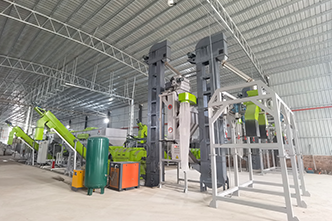
The exact configuration varies according to the type of HDPE feedstock, contamination level, required capacity, and final product quality. However, most systems follow a similar overall process.
What Is an HDPE Washing Line?
An HDPE washing line is an integrated plastic recycling system that uses multiple machines to clean and process waste HDPE. Instead of relying on a single washing machine, the complete system combines different stages to gradually remove contaminants and reduce moisture.
A typical HDPE recycling line may include a feeding conveyor, sorting system, crusher, pre-washer, friction washer, sink-float tank, dewatering machine, thermal dryer, and storage or packaging system.
HDPE Washing Line Process at a Glance
The basic process can be summarized as follows:
Raw material feeding
Manual or automatic sorting
Crushing and size reduction
Pre-washing
Friction washing
Float-sink separation
Rinsing and final washing
Dewatering
Thermal drying
Clean HDPE flake collection
Not every recycling plant requires all of these stages. Equipment can be added or removed according to the characteristics of the incoming material.
1. Raw Material Feeding
The process starts with feeding waste HDPE into the recycling line. Common raw materials include used HDPE bottles, containers, drums, crates, and other rigid HDPE products.
A conveyor or automatic feeding system transports the material into the first processing stage. Stable feeding is important because an uneven material flow can reduce the efficiency of crushers, washers, separators, and dryers.
Before designing the line, the supplier should understand the type, size, moisture content, and contamination level of the incoming HDPE.
2. Sorting and Contaminant Removal
Sorting is an important step in the HDPE recycling process. Waste plastic can contain materials that should not enter the main washing system, including metals, stones, paper, other types of plastic, and heavily contaminated items.
Depending on the application, sorting can be performed manually or with mechanical and automated separation equipment. Magnetic Separators can help remove ferrous metals, while other sorting technologies may be used for mixed plastic streams.
Effective sorting protects downstream equipment and helps improve the purity of the final HDPE flakes.
3. Crushing and Size Reduction
Large HDPE products are usually crushed into smaller pieces before intensive washing. A Plastic Crusher or granulator cuts bottles, containers, or other rigid products into flakes.
Size reduction increases the surface area of the material and allows water and mechanical friction to reach contaminated surfaces more effectively.
The crusher size and blade configuration should be selected according to the characteristics of the raw material and the required output size.
4. Pre-Washing
Pre-washing removes loose dirt and contamination before the HDPE enters the main washing stages.
This stage can be especially useful for heavily contaminated post-consumer HDPE. Sand, soil, food residues, and other loose materials can be removed before they reach the more intensive friction washing equipment.
Removing coarse contamination early can also reduce wear on downstream equipment and improve overall washing efficiency.
5. Friction Washing
Friction washing is one of the key stages of an HDPE washing machine system. The plastic flakes are subjected to mechanical agitation while water helps remove dirt and other contaminants.
The high-speed movement inside the friction washer creates mechanical friction between the flakes and the equipment surfaces. This action helps remove contamination that remains attached to the HDPE after pre-washing.
Washing performance depends on factors such as rotor speed, residence time, water flow, material contamination, and equipment design.
6. Hot Washing
Some HDPE recycling applications require an additional hot washing stage. Heated water, sometimes combined with suitable cleaning chemicals, can help loosen difficult contaminants such as oil, grease, adhesive, and organic residues.
Hot washing is not necessary for every HDPE washing line. Whether it is required depends on the raw material and the cleanliness specifications of the final HDPE flakes.
For relatively clean industrial scrap, a cold washing system may be sufficient. Heavily contaminated post-consumer material may require more intensive washing.
7. Float-Sink Separation
After washing, the material may enter a sink-float tank for density-based separation.
Different plastic materials have different densities. In a water-based separation tank, some materials float while other materials sink. This allows certain unwanted plastics and contaminants to be separated from the target HDPE fraction.
Float-sink separation is particularly useful when the feedstock contains mixed plastic materials or other particles that need to be removed.
8. Final Rinsing
After the main washing and separation stages, the HDPE flakes may undergo a final rinsing process. The purpose is to remove remaining dirt, cleaning residues, and suspended contaminants.
Clean rinsing water can help improve the quality of the finished flakes. Water circulation and filtration systems may also be incorporated to reduce fresh-water consumption.
9. Dewatering
Washed HDPE flakes contain considerable surface moisture. Before thermal drying, a mechanical dewatering machine is commonly used to remove as much water as possible.
A centrifugal dewatering system uses mechanical force to separate water from the plastic flakes. Effective dewatering reduces the moisture entering the thermal dryer.
This can help improve drying efficiency and reduce energy consumption.
10. Thermal Drying
After mechanical dewatering, residual moisture may still remain on the HDPE flakes. A thermal drying system can further reduce moisture to the required level.
Moisture control is important when recycled HDPE will be processed by extrusion, pelletizing, injection molding, or other downstream equipment.
The required drying system depends on the target moisture content and the capacity of the HDPE recycling line.
11. Clean HDPE Flake Collection
After washing, separation, dewatering, and drying, the processed material becomes clean HDPE flakes.
The finished flakes can be transported to Storage Silos, collection bags, or other packaging systems. They may then be sold as recycled material or sent to a downstream pelletizing line.
HDPE Washing Line Equipment and Functions
| Equipment | Main Function |
|---|---|
| Feeding Conveyor | Feeds waste HDPE into the production line |
| Sorting System | Removes unwanted materials and contaminants |
| Crusher | Reduces HDPE products into smaller flakes |
| Pre-Washer | Removes loose dirt and initial contamination |
| Friction Washer | Provides intensive mechanical cleaning |
| Hot Washer | Helps remove oil, grease, adhesive, and difficult contamination |
| Sink-Float Tank | Separates materials according to density |
| Dewatering Machine | Removes surface water from washed flakes |
| Thermal Dryer | Reduces residual moisture |
What Types of HDPE Waste Can Be Washed?
The appropriate washing process depends heavily on the type of raw material. An HDPE washing line can be designed to process various rigid HDPE waste streams, including:
HDPE bottles
HDPE containers
HDPE drums
HDPE crates
HDPE pipes
Industrial HDPE scrap
Post-consumer HDPE waste
Mixed rigid HDPE products
Each type of feedstock may have different levels of dirt, labels, oil, organic material, and other contamination. Therefore, the process should be customized according to the actual raw material.
What Factors Affect the HDPE Washing Process?
1. Contamination Level
Heavily contaminated HDPE requires more intensive washing and separation than relatively clean industrial scrap.
2. Type of Contamination
Dirt and sand may be removed through mechanical washing, while oil, grease, adhesives, and organic residues may require additional treatment.
3. Material Size
The size of HDPE flakes affects washing efficiency. Proper crushing allows the washing system to contact more of the contaminated surface.
4. Water Quality and Flow
Water quality and circulation have a direct effect on washing performance. A suitable water management system can help maintain cleaning efficiency while controlling water consumption.
5. Processing Capacity
The washing line should be sized according to the required production capacity. Feeding, crushing, washing, separation, dewatering, and drying equipment must work together to maintain stable throughput.
Why Is Proper Washing Important for HDPE Recycling?
Cleaning is critical because contaminants can negatively affect the quality and performance of recycled plastic. Dirt, oil, labels, paper, metals, and other unwanted materials can cause problems during extrusion, pelletizing, or molding.
A properly designed HDPE recycling machine system removes contaminants before the material reaches downstream processing equipment. Cleaner HDPE flakes can provide a more consistent feedstock for subsequent recycling operations.
How to Improve HDPE Washing Line Efficiency?
Several factors can help improve the efficiency of an HDPE washing line:
Use suitable pre-sorting before crushing.
Select the crusher according to the raw material.
Use appropriate washing intensity and residence time.
Optimize water flow and circulation.
Use density separation when mixed plastics are present.
Remove as much water as possible through mechanical dewatering.
Match the dryer capacity with the washing line output.
Maintain pumps, blades, bearings, screens, and other wear parts regularly.
Monitor the cleanliness and moisture content of the final HDPE flakes.
Frequently Asked Questions
What is the main purpose of an HDPE washing line?
The main purpose is to clean contaminated HDPE waste and convert it into reusable plastic flakes for further recycling and manufacturing processes.
What is the typical process of an HDPE washing line?
A typical process includes feeding, sorting, crushing, pre-washing, friction washing, density separation, rinsing, dewatering, drying, and clean flake collection. The exact configuration depends on the feedstock and required output quality.
Does HDPE need hot washing?
Not necessarily. Hot washing is generally used when the raw material contains difficult contaminants such as oil, grease, adhesives, or heavy organic residues. Cleaner HDPE may only require mechanical washing.
What is the final product of an HDPE washing line?
The typical final product is clean and dried HDPE flakes. These flakes can be used directly in some applications or processed further through extrusion and pelletizing.
Can an HDPE washing line process post-consumer waste?
Yes. HDPE washing lines can be configured for post-consumer bottles, containers, drums, and other rigid HDPE waste. However, heavily contaminated materials generally require more comprehensive sorting and washing stages.
The HDPE washing line process is a combination of sorting, crushing, washing, separation, dewatering, and drying operations. Each stage performs a specific function, and together they transform contaminated HDPE waste into cleaner and more reusable plastic flakes.
The ideal process depends on the type of HDPE waste, contamination level, required capacity, target cleanliness, moisture requirements, and downstream application. A properly configured HDPE recycling line can provide stable processing performance while producing consistent recycled HDPE flakes for further manufacturing.
