 English


News


What Machines Are Used to Recycle Plastic?
2026-08-28 19:03:37
Plastic recycling is not completed by a single machine. In most industrial applications, waste plastic passes through several processing stages, with each machine performing a specific task. Depending on the type and condition of the plastic, a recycling system may include shredders, crushers, washing machines, dewatering equipment, dryers, extruders, pelletizers, and material handling equipment.
So, what machines are used to recycle plastic? The answer depends mainly on the type of plastic waste, its contamination level, the required processing capacity, and the final recycled product. A clean production scrap may require only size reduction and pelletizing, while dirty post-consumer plastic may need sorting, shredding, washing, drying, extrusion, and pelletizing.
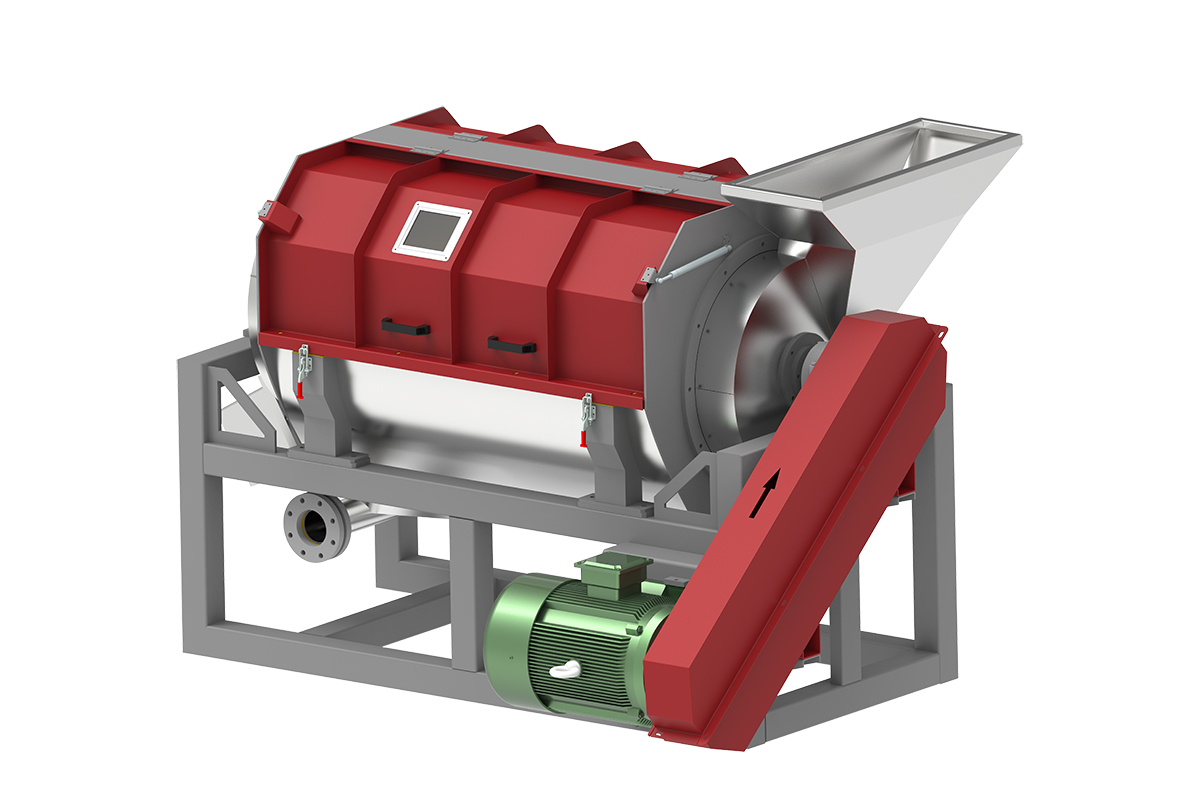
What Is a Plastic Recycling Machine?
A plastic recycling machine is industrial equipment designed to process waste plastic into reusable material. Depending on the recycling process, the output may be plastic flakes, regrind, or recycled plastic pellets.
A typical mechanical recycling process can include several stages:
Sorting → Shredding/Crushing → Washing → Dewatering/Drying → Extrusion → Filtration → Pelletizing → Cooling and Storage
Not every recycling project requires all of these machines. The actual equipment configuration should be selected according to the material being processed and the required output quality.
1. Plastic Sorting Machine
Sorting is often the first step when recycling mixed or post-consumer plastic waste. The purpose is to separate different types of plastic, colors, labels, metals, and other unwanted materials before further processing.
Depending on the recycling plant, sorting may involve manual sorting systems, conveyor-based sorting, magnetic separation, metal detection, or automated optical sorting technologies.
Proper sorting is important because different polymers have different melting characteristics and processing requirements. Mixing incompatible materials can reduce the quality of recycled pellets.
2. Plastic Shredder
A plastic shredder is generally used for the initial size reduction of large or bulky plastic waste.
Materials such as plastic pipes, pallets, containers, large lumps, woven bags, film rolls, and other bulky waste may be difficult to process directly. A shredder breaks these materials into smaller pieces that are easier to handle and feed into downstream equipment.
Industrial shredders commonly use low-speed, high-torque cutting or shearing systems. The exact design depends on whether the machine is processing rigid plastics, flexible film, pipes, containers, or other materials.
3. Plastic Crusher or Granulator
After initial shredding, a plastic crusher or granulator can further reduce the material into smaller and more uniform flakes.
Unlike a primary shredder, a granulator generally focuses on producing a more consistent particle size. The processed flakes can then be transported to washing or other downstream processing equipment.
A crusher or granulator is particularly useful when the plastic needs to reach a controlled size before washing, drying, or extrusion.
4. Plastic Washing Machine
Washing equipment is used when the waste plastic contains contaminants such as dirt, sand, food residue, oil, labels, paper, or other unwanted materials.
A plastic washing system may include several pieces of equipment rather than a single washing machine. Common equipment includes friction washers, rinsing tanks, hot washing systems, and separation tanks.
For example, friction washing uses mechanical action to remove contaminants from plastic flakes, while hot washing may be used for materials requiring more intensive cleaning.
The required washing configuration depends heavily on the contamination level and material type. Clean factory scrap may not require the same washing system as heavily contaminated post-consumer waste.
5. Sink-Float Separation Equipment
Sink-float separation is used to separate plastics with different densities. A typical water-based separation system allows some materials to float while denser materials sink.
This can be useful when processing mixed plastic streams where different polymer types need to be separated after washing.
Whether a sink-float tank is necessary depends on the composition of the incoming material. A single-polymer waste stream may require a simpler configuration.
6. Plastic Dewatering Machine
After washing, plastic flakes contain water that needs to be removed before further processing.
A plastic dewatering machine, often using centrifugal force, removes a significant amount of surface moisture from the material. Mechanical dewatering can improve the efficiency of the subsequent drying stage.
Moisture control is particularly important before extrusion because excessive moisture can negatively affect processing stability and recycled pellet quality.
7. Plastic Drying System
A drying system further reduces moisture after mechanical dewatering.
Depending on the material and process design, recycling lines may use centrifugal drying, thermal drying, hot-air drying, or other moisture-removal technologies.
The required drying method depends on the material type and the moisture specification required by the downstream extrusion or pelletizing process.
8. Plastic Extruder
The plastic extruder is one of the most important machines in a pelletizing recycling line. It heats and melts the processed plastic before forcing the molten material through a die.
During extrusion, the plastic can also undergo mixing, homogenization, degassing, and filtration.
Depending on the material and production requirements, recycling systems may use single-screw or twin-screw extruders. More contaminated materials may require stronger filtration and degassing capabilities.
9. Melt Filtration System
Before the recycled plastic is converted into pellets, the molten material may pass through a filtration system.
The purpose of melt filtration is to remove remaining contaminants such as small pieces of paper, aluminum, unmelted material, or other impurities that remain after washing and preparation.
A suitable filtration system can help improve the consistency and appearance of the final recycled pellets.
10. Plastic Pelletizing Machine
A plastic pelletizing machine converts molten recycled plastic into uniform pellets. These pellets can then be used as secondary raw material for processes such as injection molding, extrusion, and film production.
Different pelletizing technologies are available, including strand pelletizing, water-ring pelletizing, and hot die-face pelletizing. The appropriate system depends on the polymer, material condition, required output, and production capacity.
Pelletizing is therefore not simply a cutting operation. The extruder, filtration system, die, cooling system, and pellet cutter need to work together to produce stable and consistent recycled pellets.
11. Cooling and Drying Equipment for Pellets
After pelletizing, the hot plastic pellets need to be cooled and separated from residual water or heat depending on the pelletizing method.
Cooling systems may use water or air, while downstream drying equipment can remove surface moisture before the pellets are transferred to storage.
The cooling and drying process helps stabilize the recycled pellets before packaging and transportation.
12. Conveyors and Material Handling Equipment
Conveyors may not directly recycle plastic, but they are essential components of many complete recycling lines.
Belt Conveyors, Screw Conveyors, air conveying systems, and other material handling equipment move plastic between shredding, washing, drying, extrusion, and pelletizing stages.
A properly designed conveying system can reduce manual handling and help maintain a continuous production flow.
What Machines Are Needed for a Complete Plastic Recycling Line?
A complete plastic recycling line usually combines multiple machines rather than relying on one piece of equipment.
| Processing Stage | Main Machine | Main Function |
|---|---|---|
| Sorting | Sorting equipment | Separates polymers and contaminants |
| Size Reduction | Shredder / Crusher | Reduces plastic waste into manageable pieces |
| Washing | Washing Line | Removes dirt, oil, labels, and other contaminants |
| Separation | Sink-Float Tank | Separates materials by density |
| Dewatering | Dewatering Machine | Removes surface water |
| Drying | Drying System | Reduces remaining moisture |
| Extrusion | Plastic Extruder | Melts and homogenizes plastic |
| Filtration | Melt Filter | Removes remaining impurities |
| Pelletizing | Pelletizing Machine | Produces uniform recycled pellets |
Not every project requires every machine listed above. A recycling line should be configured according to the specific material and final product requirements.
What Machines Are Used for Different Types of Plastic?
Different plastic waste streams require different recycling equipment. This is one of the most important considerations when planning a recycling project.
HDPE and PP Rigid Plastics
Rigid plastics such as containers, bottles, crates, and other molded products may typically require shredding or crushing, washing, drying, and pelletizing.
If the material contains significant contamination, a more comprehensive washing and separation system may be required.
LDPE and LLDPE Plastic Film
Plastic film is lightweight and flexible, so it requires different feeding and processing considerations from rigid plastic.
Film recycling systems may use shredders or specialized size-reduction equipment, washing lines, dewatering or squeezing systems, and pelletizing equipment. A film squeezer can be particularly useful for reducing moisture before extrusion.
PET Bottles
PET bottle recycling commonly involves sorting, bottle crushing or granulation, washing, separation, drying, and further processing into clean PET flakes or pellets.
The exact configuration depends on whether the target output is washed PET flakes, recycled pellets, or a higher-grade recycled PET product.
PP Woven Bags
PP woven bags can require shredding or crushing followed by washing, dewatering, drying, and pelletizing. Because woven bags can contain dirt and printing residues, the washing configuration needs to match the actual contamination level.
Can One Plastic Recycling Machine Process All Types of Plastic?
Generally, no. Different plastics have different physical properties, contamination levels, melting temperatures, moisture requirements, and processing characteristics.
For example, a recycling system designed for clean PP production scrap may be very different from a system designed for dirty post-consumer PE film. PET bottle recycling also requires a different process from rigid HDPE recycling.
This is why equipment selection should begin with the actual waste material rather than simply choosing a machine based on its advertised capacity.
What Factors Should You Consider When Choosing Plastic Recycling Machines?
1. Plastic Type
Determine whether the material is PP, PE, HDPE, LDPE, PET, PVC, or another polymer. Different materials may require different processing configurations.
2. Form of the Plastic Waste
Plastic film, bottles, pipes, woven bags, injection molding scrap, and bulky plastic waste require different size-reduction and feeding solutions.
3. Contamination Level
Dirty post-consumer material generally requires more extensive washing and separation than clean factory scrap.
4. Required Capacity
The required throughput determines the appropriate machine size and overall line configuration. Capacity should be evaluated based on the actual material characteristics rather than the machine's theoretical maximum alone.
5. Final Product
Decide whether the desired output is regrind, clean flakes, or recycled pellets. Higher-quality outputs may require additional sorting, washing, drying, filtration, or extrusion equipment.
6. Available Space and Utilities
A complete recycling line requires space for machines, conveyors, water systems, storage, electrical equipment, and maintenance access. Water consumption, electricity, heating requirements, and wastewater treatment should also be considered during planning.
Is a Complete Plastic Recycling Line Better Than Individual Machines?
It depends on the application.
A complete recycling line can provide a continuous process from waste plastic to finished recycled material and can reduce the need for manual transfer between processing stages.
However, companies processing clean production scrap may only need selected equipment, such as a crusher and pelletizing machine. In this situation, purchasing a complete washing line may add unnecessary cost and complexity.
The most effective approach is to configure the equipment according to the material, contamination level, target capacity, and final output rather than automatically selecting the largest or most complete system.
FAQ
What machines are used to recycle plastic?
Common plastic recycling machines include shredders, crushers or granulators, washing machines, separation equipment, dewatering machines, dryers, extruders, melt filtration systems, and pelletizers. The actual combination depends on the plastic waste and final product.
What machine is used to shred plastic?
A plastic shredder is commonly used to reduce bulky or irregular plastic waste into smaller pieces. Crushers or granulators can then further reduce the material into more uniform flakes.
What machine washes recycled plastic?
Plastic washing systems can include friction washers, rinsing tanks, hot washing equipment, and separation tanks. The required configuration depends on the type and contamination level of the plastic.
What machine turns plastic waste into pellets?
A plastic pelletizing system uses an extruder to melt and homogenize the plastic, followed by filtration and pelletizing equipment that converts the molten material into recycled pellets.
Does all plastic need to be washed before recycling?
No. Clean production scrap may sometimes be processed without washing, while contaminated post-consumer plastic usually requires washing and drying before extrusion and pelletizing.
What is the most important machine in a plastic recycling line?
There is no single machine that is most important for every recycling project. The required equipment depends on the material and process. Size reduction, washing, drying, extrusion, and pelletizing each perform different functions within the overall recycling system.
If you have any questions about plastic recycling machines, recycling lines, equipment selection, or plastic waste processing, feel free to contact SAIKO at any time. Our team can help you evaluate your recycling requirements and find a suitable equipment solution for your application.
Previous:
How Does a Plastic Recycling Machine Work?
2026-08-28
Next:
What Is the Process of an HDPE Washing Line?
2026-08-21
