 English




Plastic is used in a wide range of products, including packaging, containers, automotive components, electrical parts, household goods, and industrial equipment. However, not all plastic materials can be recycled in the same way.
The types of plastic that can be recycled depend on the material structure, product design, contamination level, collection system, and available recycling technology. Understanding the characteristics of different plastics can help businesses select suitable recycling methods and equipment.
Common recyclable plastics include PET, HDPE, PVC, LDPE, PP, and PS. Certain engineering plastics and industrial plastic scraps can also be recovered through appropriate processing systems.
Understanding Plastic Identification Codes
Many plastic products are marked with a resin identification code from 1 to 7. These codes help identify the main type of plastic used in a product, but they do not automatically guarantee that the item is accepted by every recycling facility.
Code 1 – PET or PETE: Polyethylene terephthalate
Code 2 – HDPE: High-density polyethylene
Code 3 – PVC: Polyvinyl chloride
Code 4 – LDPE: Low-density polyethylene
Code 5 – PP: Polypropylene
Code 6 – PS: Polystyrene
Code 7 – Other: Other plastics or mixed plastic materials
Before processing plastic waste, recyclers should confirm the actual material composition and evaluate whether the waste is compatible with the intended recycling system.
1. PET: Polyethylene Terephthalate
PET is widely used in beverage bottles, food containers, packaging materials, and some textile applications. It is one of the most commonly collected plastics in many recycling systems.
Common PET Waste Sources
Water and beverage bottles
Food containers
Clear packaging materials
Selected polyester-based products
How Is PET Recycled?
PET waste is commonly sorted, crushed or granulated, washed, separated, and dried. The processed PET may be converted into flakes or further processed into pellets for suitable applications.
Labels, caps, adhesives, dirt, and other contaminants should be managed carefully because they may affect the quality of recycled PET.
2. HDPE: High-Density Polyethylene
HDPE is known for its strength, chemical resistance, and relatively high rigidity. It is commonly used in containers, industrial packaging, pipes, household products, and various molded components.
Common HDPE Waste Sources
Detergent and cleaning product containers
Industrial chemical containers
Plastic bottles and drums
Plastic pipes and fittings
Industrial molded parts
How Is HDPE Recycled?
HDPE waste can often be processed through sorting, shredding, crushing, washing, drying, and granulation. The required equipment depends on the thickness, size, contamination level, and final application of the material.
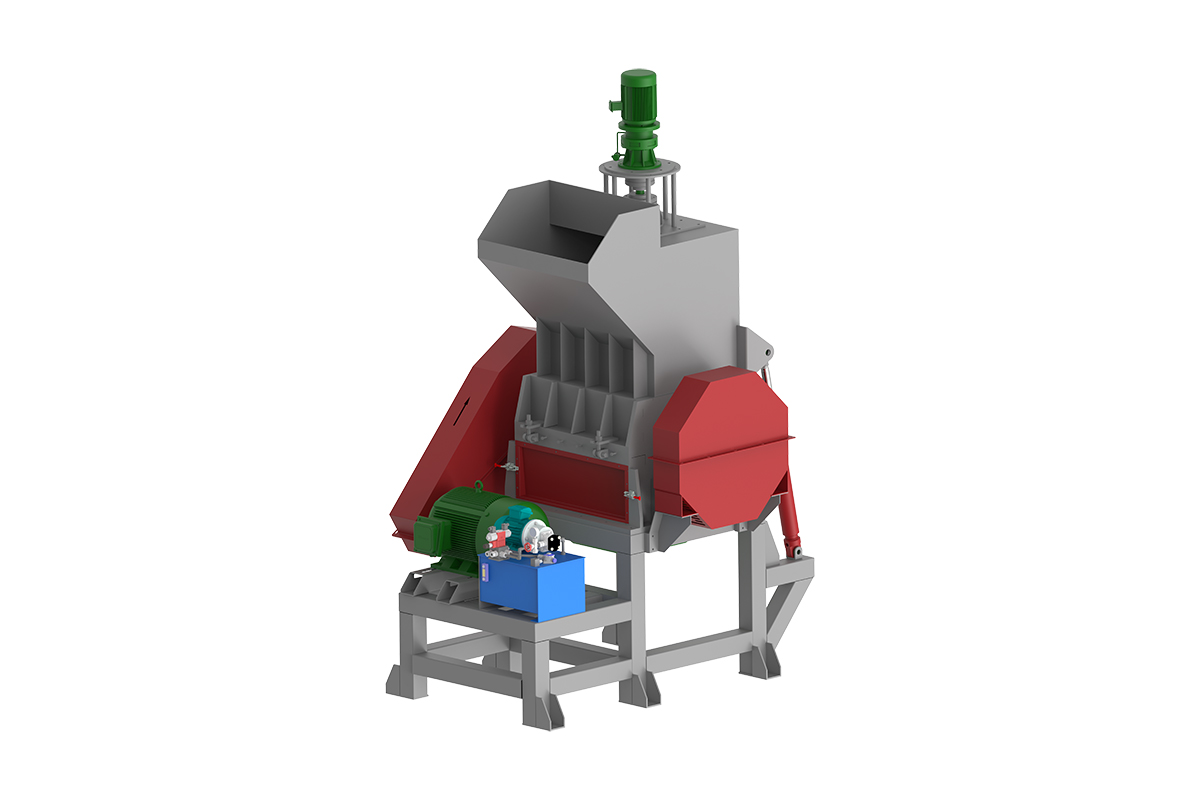
Hard HDPE products may require a heavy-duty shredder or crusher before further processing.
3. PVC: Polyvinyl Chloride
PVC is used in pipes, cable insulation, construction materials, flooring, profiles, and various industrial products. Both rigid PVC and flexible PVC can be found in waste streams, but they may require different handling methods.
Common PVC Waste Sources
PVC pipes and fittings
Window and construction profiles
Cable insulation
Flooring materials
Industrial PVC components
What Should Be Considered When Recycling PVC?
PVC recycling requires careful material identification and process control. Different additives, plasticizers, fillers, and product structures may affect the recycling process.
PVC should also be kept separate from incompatible plastic materials. The recycling method must be selected according to the specific PVC formulation and applicable environmental and safety requirements.
4. LDPE: Low-Density Polyethylene
LDPE is a flexible plastic commonly used in films, bags, liners, packaging, and other soft plastic products. Its flexibility makes it useful in many applications, but thin films can be challenging to handle in some recycling systems.
Common LDPE Waste Sources
Plastic films
Packaging bags
Plastic liners
Stretch film and selected agricultural films
Flexible industrial packaging
How Is LDPE Recycled?
LDPE recycling may involve sorting, shredding, washing, drying, agglomeration, and pelletizing, depending on the waste condition and final product requirements.
Films can wrap around rotating components, so recycling equipment should be selected with the material's flexibility and feeding characteristics in mind.
5. PP: Polypropylene
PP is a versatile plastic with good chemical resistance and a relatively high melting temperature compared with some other common packaging plastics. It is widely used in packaging, automotive parts, household products, and industrial components.
Common PP Waste Sources
Food containers
Plastic caps and closures
Automotive components
Industrial crates and pallets
Injection-molded parts
Packaging materials
How Is PP Recycled?
PP waste can be sorted, shredded or crushed, cleaned, dried, and processed into regrind or pellets. Industrial PP scraps are often suitable for recycling when their material composition is consistent and contamination is limited.
Mixed PP materials may require additional sorting or testing before they can be reused in a specific manufacturing process.
6. PS: Polystyrene
PS is used in selected packaging products, disposable items, protective packaging, and molded components. It can be found in both solid and expanded forms.
Common PS Waste Sources
Rigid packaging
Protective packaging components
Selected food-service products
Expanded polystyrene packaging
Industrial molded products
What Challenges Affect PS Recycling?
Expanded polystyrene is lightweight and bulky, which can increase transportation and storage costs. Densification or other volume-reduction methods may be considered before transportation or further processing.
The appropriate recycling method depends on the type of PS, contamination level, and available processing technology.
7. Other Plastics and Engineering Plastics
Plastic products marked with code 7 may contain different materials or combinations of materials. Some engineering plastics, such as ABS, polycarbonate, nylon, and selected technical polymers, can also be recycled through suitable systems.
However, the recyclability of these materials depends heavily on their specific composition and the quality of the waste stream.
Examples of Industrial Engineering Plastic Waste
ABS injection molding scraps
Polycarbonate production waste
Nylon components and offcuts
Industrial plastic housings
Rejected engineering plastic parts
For these materials, recyclers may need to conduct material testing before selecting a crusher, granulator, washing system, or pelletizing line.
Which Plastics Are More Difficult to Recycle?
Some plastic products are technically recyclable but difficult to process economically or efficiently. Common challenges include:
Mixed-material products: Products made from multiple materials may be difficult to separate.
Heavy contamination: Oil, food residues, chemicals, and other contaminants can affect processing quality.
Multilayer packaging: Different plastic layers may be difficult to separate.
Small or lightweight items: Small pieces may be difficult to collect and sort efficiently.
Highly filled plastics: Fillers and additives may affect the quality of recycled material.
Degraded materials: Repeated heating or long-term use may change the performance of some plastics.
For these waste streams, a technical assessment is recommended before investing in recycling equipment.
How to Prepare Plastic Waste for Recycling?
Proper preparation can improve the efficiency of plastic recycling and reduce processing difficulties. Businesses can take the following steps:
Separate different plastic types whenever possible.
Remove non-plastic components before processing.
Keep plastic waste away from excessive moisture and contamination.
Separate rigid plastics from flexible films when required.
Identify the material composition of industrial plastic scraps.
Store different colors and material grades separately when necessary.
Provide material samples to the equipment supplier for evaluation.
How to Choose Equipment for Different Plastic Materials?
Different plastic materials require different processing configurations. When choosing plastic recycling equipment, consider the following factors:
Plastic type and material composition
Plastic hardness, thickness, and shape
Waste size and feeding characteristics
Moisture and contamination level
Required output size
Processing capacity
Need for washing, drying, or pelletizing
Available installation space
Maintenance and energy requirements
For example, hard plastic waste may require a heavy-duty shredder or crusher, while flexible plastic films may need specialized feeding and size-reduction solutions. A suitable equipment configuration should be developed according to the actual material characteristics.
Many types of plastic can be recycled, including PET, HDPE, PVC, LDPE, PP, and PS. Selected engineering plastics and industrial plastic scraps can also be recovered when the material composition and processing conditions are suitable.
However, the recycling process depends on more than the plastic identification code. Contamination, additives, product structure, material mixing, and final application all influence the feasibility of recycling.
Looking for suitable plastic recycling equipment? Contact us with details about your plastic waste type, material size, contamination level, and required capacity to explore a suitable recycling solution.
